21 November 2026
|10:04 am
|Aanetic Advisory Editorial
Use this SOC 2 compliance checklist for SaaS startups to identify gaps, implement security controls, organize audit evidence and prepare for a CPA audit.
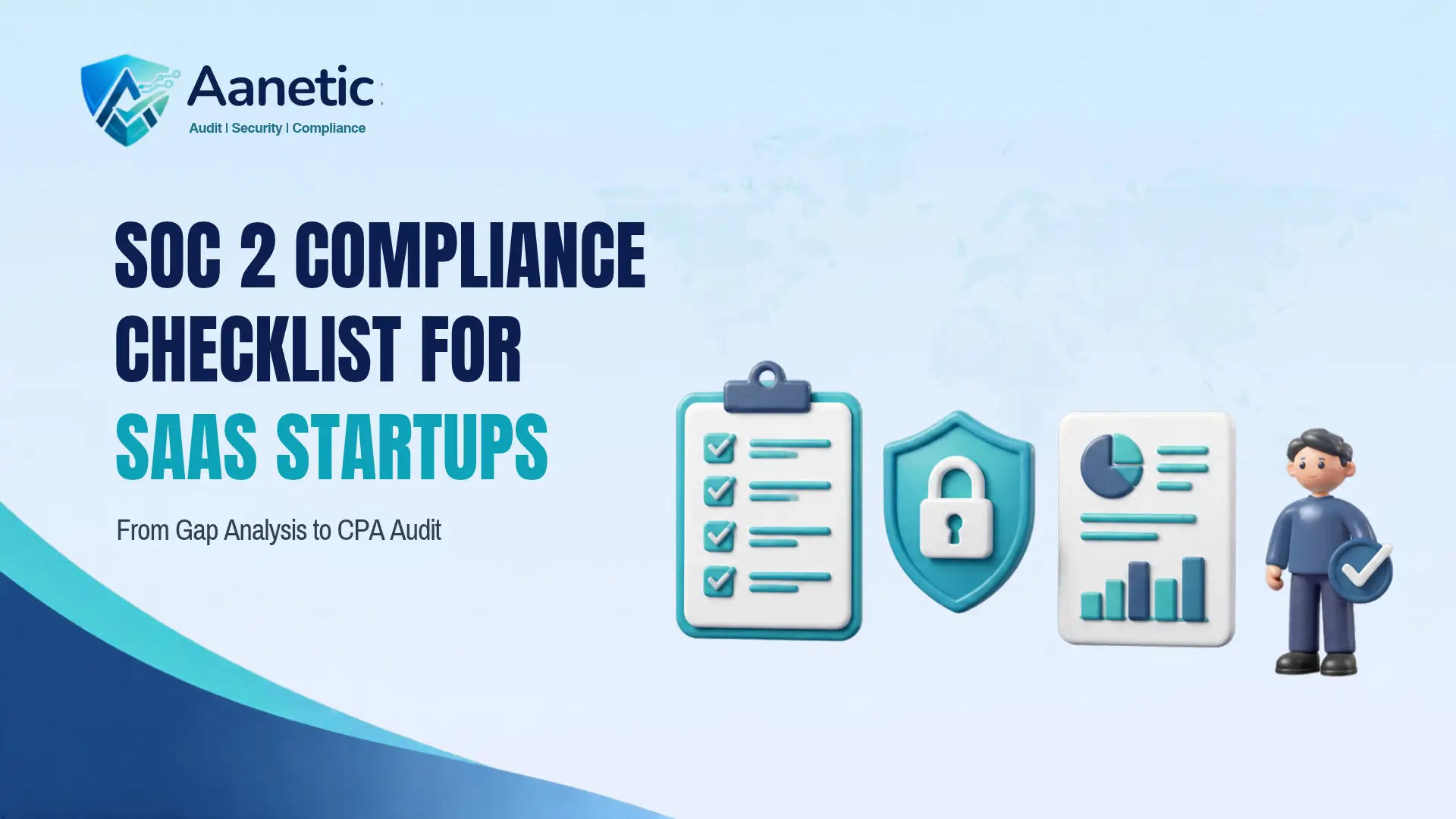
A SOC 2 Compliance Checklist for SaaS Startups gives founders, CTOs, and security teams a practical way to organize the work required before an independent examination. It connects the company's systems and risks with appropriate security controls, supporting documentation, and evidence of how those controls operate.
B2B SaaS companies often encounter SOC 2 requirements during enterprise procurement, vendor assessments, or customer security reviews. Buyers want to understand how a service provider protects information and manages operational risks. SOC 2 provides an independent attestation report against applicable AICPA Trust Services Criteria. It is not a conventional certification.
Security is the required Trust Services Criteria category. Availability, Processing Integrity, Confidentiality, and Privacy may also be included when relevant to the service and the organization's commitments. There is no universal official checklist or fixed number of controls that applies to every startup. The right preparation depends on the system being examined.
Start by identifying the product or service that customers rely on and the systems used to deliver it. A SaaS application may depend on cloud infrastructure, identity services, code repositories, customer support platforms, monitoring tools, and external APIs. These dependencies should be understood before the company decides which controls and evidence are relevant.
The scope should also explain what customer information the service processes, where it is stored, who can access it, and which third parties support its operation. Review customer contracts and security questionnaires to understand what type of report prospective customers expect.
A practical SOC 2 Compliance Checklist should begin with these scope decisions:
Identify the product, service, and business purpose of the examination.
Map relevant applications, cloud environments, and infrastructure.
Document customer information and important data flows.
Identify critical vendors and supporting services.
Select applicable Trust Services Criteria.
Assign an internal project owner and control owners.
For example, a startup that operates one production SaaS platform should distinguish the infrastructure supporting that platform from unrelated internal systems. The goal is an accurate, defensible scope—not excluding systems that genuinely affect the service.
Once the scope is established, assess existing security practices against the applicable criteria. A SOC 2 gap analysis helps determine which controls already exist, which need improvement, and which are missing.
Review access management, MFA, security policies, risk assessment, vendor oversight, incident response, change management, data protection, system monitoring, employee security, and backup arrangements. Examine actual configurations and records alongside written procedures. A policy may describe a process that employees do not consistently follow.
Consider a SaaS startup where developers retain administrative access after moving to different responsibilities. The gap is not simply that an access policy is missing; it is that permissions are not being reviewed when roles change. The engineering lead can be assigned to define role-based access, review current permissions, and establish a recurring review. The company can then retain the approved access list and dated review record as evidence.
Record each finding in a gap register, including the affected process, business risk, priority, responsible owner, remediation action and target date. This gives management a clear view of what needs attention and prevents important findings from disappearing into informal discussions.
The next stage is to implement appropriate controls. The SOC 2 Compliance Checklist for SaaS Startups should reflect how the company develops, deploys, and supports its product—not an idealized process copied from another organization.
For identity and access management, use role-based permissions and least-privilege access. Apply MFA to relevant accounts, define how access is granted and removed, and review permissions periodically. Employee onboarding, role changes, and departures should trigger appropriate access updates.
Application and infrastructure security require controls across the development lifecycle. Maintain version control, require suitable code reviews, document approvals for production changes, and track vulnerabilities. Review cloud configurations and address weaknesses according to their risk.
Risk and vendor management should cover the dependencies that matter to service delivery. Maintain a risk register, identify critical vendors, review relevant security information and track remediation actions. For incident management, document response responsibilities, escalation routes and investigation procedures. Test whether the team understands how to respond.
Data protection and continuity measures should be appropriate to the information and services involved. Classify data, use encryption where appropriate, monitor relevant activity, maintain backups and test restoration. Security awareness training and management oversight help make these controls part of normal operations.
The objective is consistent implementation. A control that exists only in a policy document will not demonstrate that the company follows it.
Policies explain the company's expectations and approved procedures. They should be consistent with the way the startup actually operates and should identify relevant responsibilities.
Depending on the system scope and control environment, documentation may include an information security policy, an access control policy, a risk management policy, an incident response plan, a change management procedure, a vendor management policy, business continuity documentation, and employee security procedures.
Avoid treating a large policy library as proof of readiness. A short procedure that accurately describes how developers request production access may be more useful than a lengthy template that no one follows. Assign an owner to each document, obtain appropriate approval, communicate relevant requirements to employees, and review documents when the business or technology environment changes.
Evidence collection should happen as controls operate, not only when the auditor sends a request. A well-organized SOC 2 Compliance Checklist for SaaS connects each control with records that demonstrate its operation.
Examples include MFA configuration records, user access reviews, onboarding and offboarding records, approved change tickets, code review documentation, vulnerability assessment results, vendor assessments, security training records, incident logs, and backup restoration tests.
Use a central repository with a clear structure. Each evidence item should have a meaningful name, a relevant date, a control reference, and a responsible owner. Define who can access or update records, retain appropriate versions, and establish collection frequencies for recurring activities.
For instance, a change management control may require a record showing the change request, reviewer approval, testing, and production deployment. A screenshot of the final application alone may not demonstrate that the change followed the required process. Evidence should show the activity being tested and remain accurate and traceable.
Before the formal examination, review whether the controls are implemented and supported by reliable evidence. Check that policy requirements align with actual practices, that control owners understand their responsibilities, and that recurring activities have been completed as expected.
The SOC 2 Compliance Checklist for SaaS Startups should now be used to verify remediation and identify remaining exceptions. Review open gap-register items, test evidence retrieval, conduct internal walkthroughs, and prepare the system description. This description explains the services, infrastructure, people, processes, and boundaries relevant to the examination.
A startup is better prepared to approach an independent CPA firm when it can explain its system, demonstrate relevant controls, provide supporting records, and transparently identify unresolved issues. Readiness does not mean that an independent auditor has already approved the controls.
An independent CPA firm performs the SOC 2 examination and issues the report. A readiness partner can help with preparation, documentation and evidence organization, but cannot replace the independent service auditor.
The engagement generally begins with discussions about the system description, examination scope, applicable criteria, and report type. Management is responsible for providing accurate information, making relevant personnel available, and supporting the examination.
The CPA firm may request policies and records, interview employees, conduct process walkthroughs, and test selected controls. It evaluates the results and any exceptions before completing its reporting procedures. The startup should respond to requests with authentic records and explain how its processes work. The auditor, not the readiness consultant, is responsible for the independent conclusions and final report.
A Type 1 examination evaluates the design of relevant controls at a specified point in time. A Type 2 examination evaluates control design and operating effectiveness over a defined period.
For Type 2, the startup must operate relevant controls consistently and retain evidence throughout the agreed examination period. Neither a readiness assessment nor a completed policy document can replace this period. Confirm customer expectations and the examination approach with the CPA firm before deciding which report is appropriate.
Starting without a defined scope can create unnecessary work and unclear system boundaries. Copying policies without implementing them leaves a gap between documented expectations and actual operations. Other problems include leaving controls without owners, overlooking changes to employee access, failing to assess key vendors, and collecting evidence at the last minute.
Startups should also avoid assuming that scheduled backups prove recoverability. Restoration needs to be tested, and the results should be documented. Finally, readiness completion must not be confused with audit completion: the independent CPA firm conducts its own examination and determines its conclusions.
Aanetic Technology provides SOC 2 readiness and audit support, including scope and gap assessment, control guidance, documentation support, evidence preparation, and coordination with CPA firms. Its SOC 2 services and compliance tools can help organizations structure control requirements and organize evidence around their operating environment.
For a startup, this support can make responsibilities and outstanding preparation work easier to understand. The company remains responsible for operating its controls, while the independent CPA firm remains responsible for the examination and report.
Planning your SOC 2 examination? Contact Aanetic to discuss your SaaS environment, readiness gaps, and practical next steps.
It should cover examination scope, gap analysis, security controls, policies, evidence collection, internal readiness reviews, and CPA audit preparation. The specific controls depend on the startup's systems, risks, and selected Trust Services Criteria.
Need enterprise guidance on PCI DSS, SOC 2, or RBI compliance frameworks?
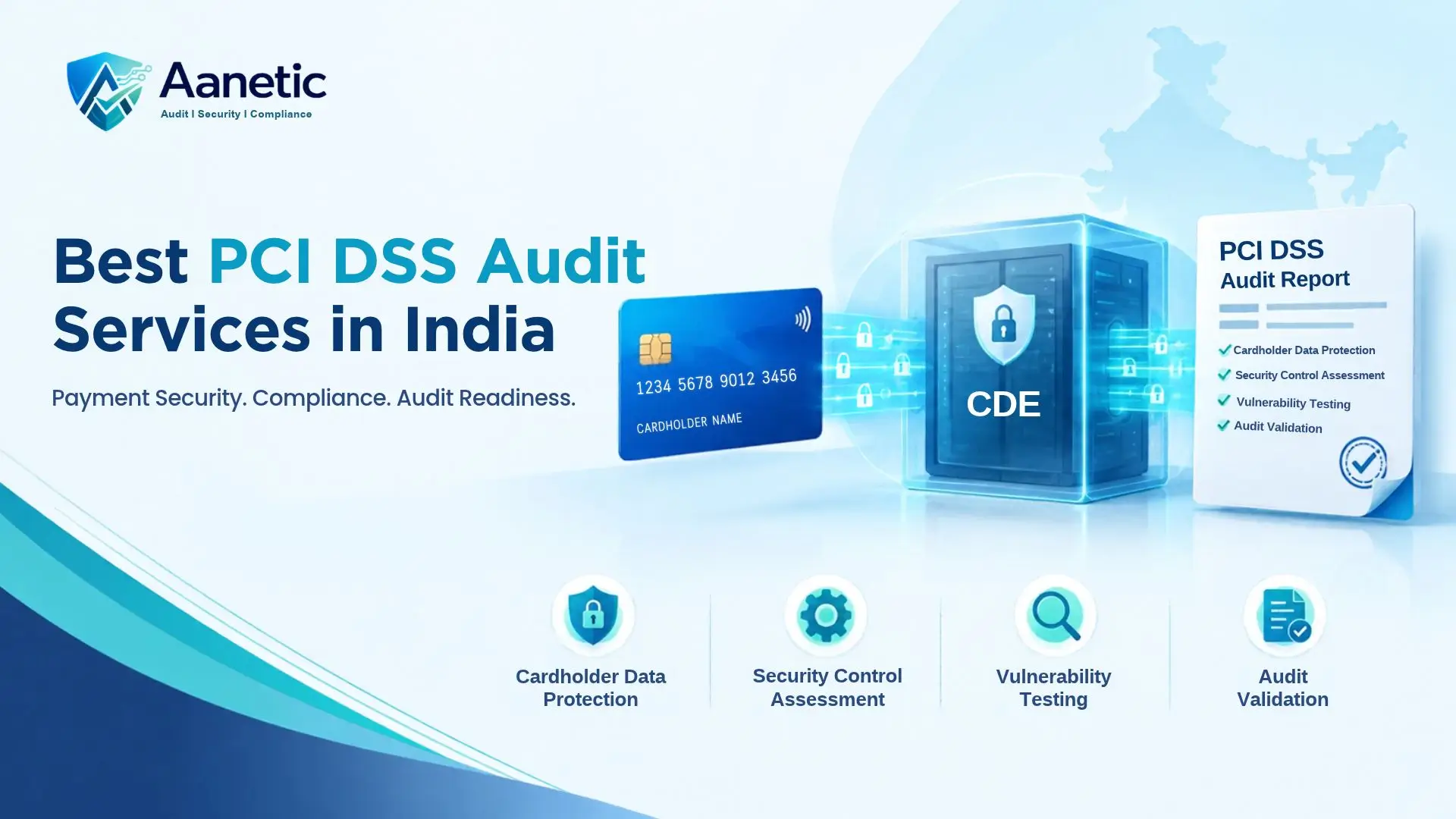
Explore the Best PCI DSS Audit Services in India for payment security assessments, compliance gap analysis, remediation support and audit readiness.
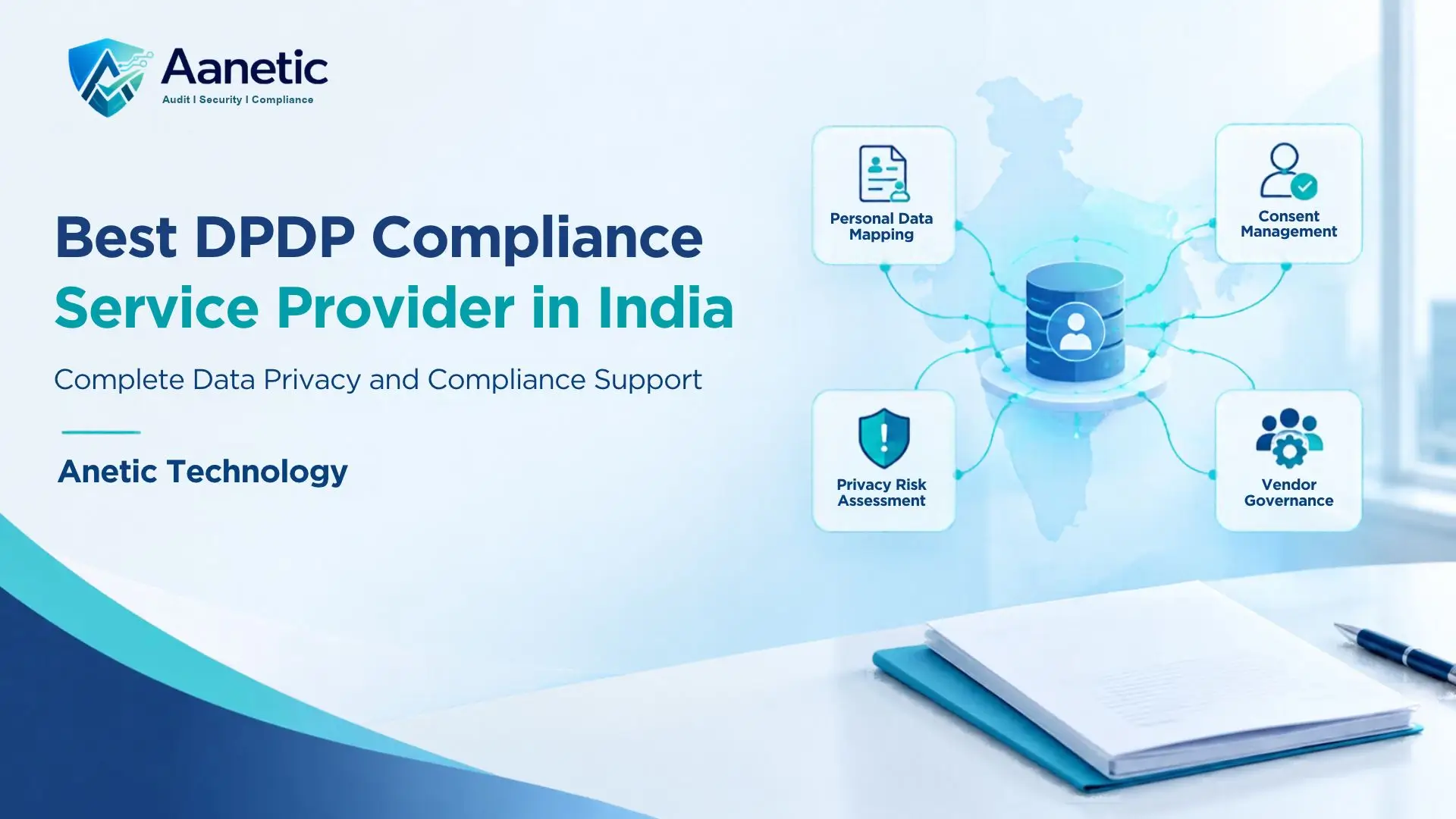
Find the Best DPDP Compliance Service Provider in India for privacy assessments, data mapping, consent management, vendor governance and DPDP readiness.
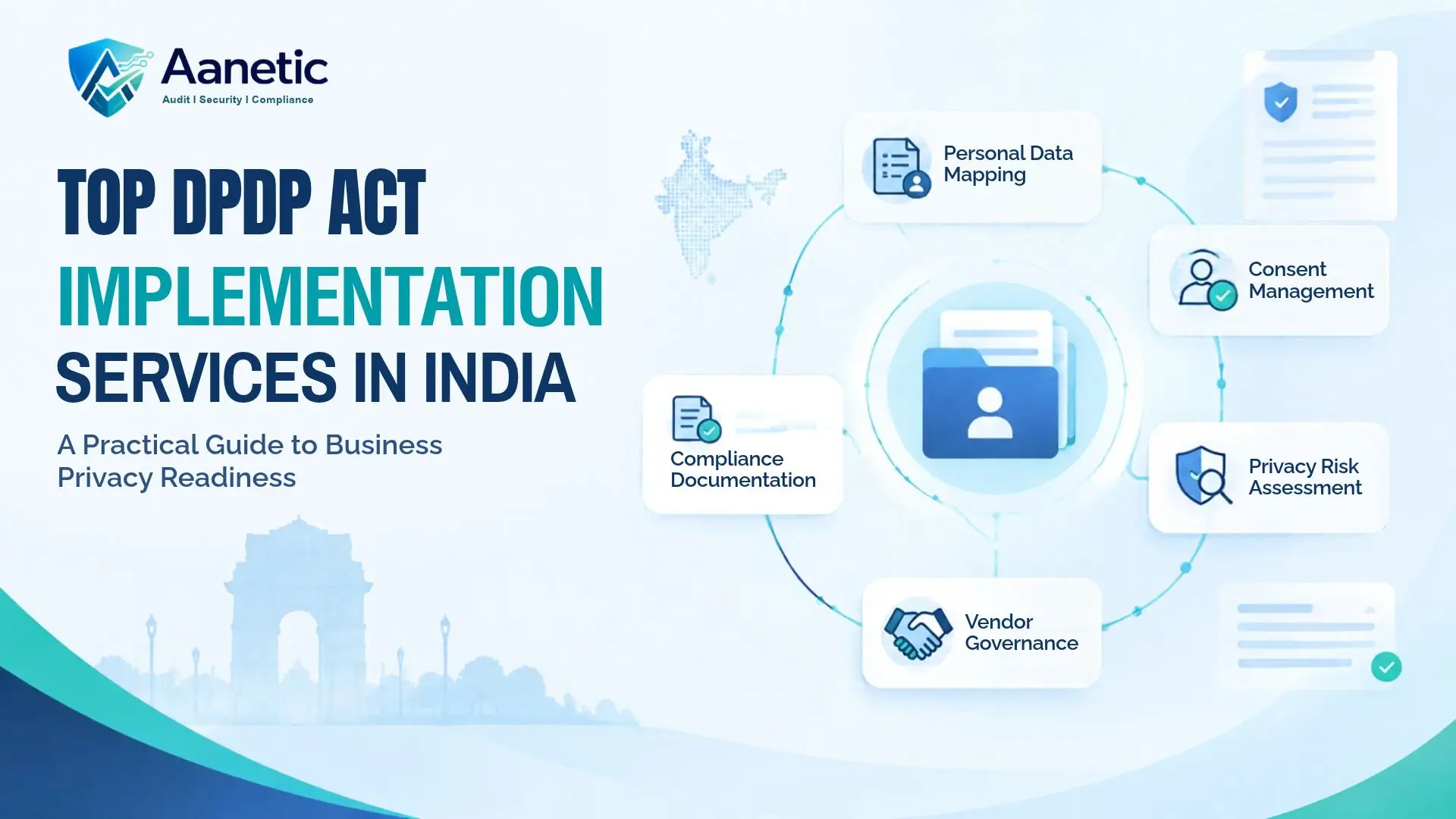
Explore Top DPDP Act Services in India, including privacy assessments, data mapping, consent workflows, vendor governance and implementation support.