18 November 2026
|10:21 am
|Aanetic Advisory Editorial
Find a SOC 2 Provider for Startups with Limited Budget. Learn how to evaluate service scope, pricing, audit support and readiness expertise with Aanetic.
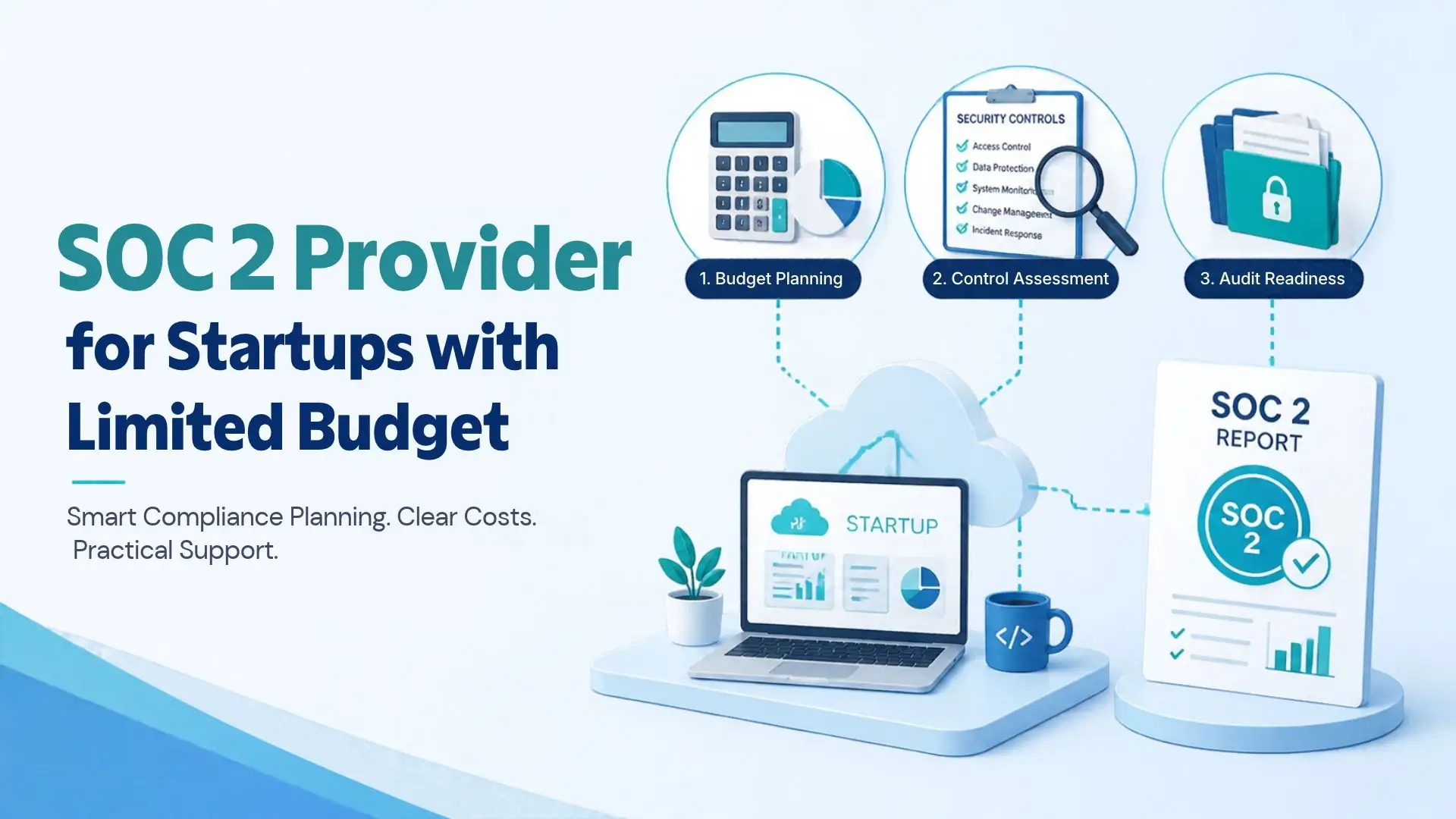
Choosing a SOC 2 provider is a key decision for any growing startup. More enterprise customers now want to see how technology companies protect information, manage access, and keep systems secure. Meeting these needs can help you win new business, but securing professional compliance support also requires careful budget planning.
The real challenge is finding a SOC 2 provider for startups with limited budgets that understands both compliance needs and the realities of running a growing business. Startups need more than just generic policy templates or costly software. They need practical advice, clear services, and support that fits their real security situation.
Aanetic Technology helps organizations prepare for SOC 2 exams through its SOC reporting and compliance support. Knowing what to expect from a provider helps founders make better investment choices.
A suitable provider should understand how startups work. For example, a company with ten employees and a cloud-based SaaS product has different needs than a large business with many departments and complex systems. A good provider should understand the startup's product, customer data, cloud environment, business processes, and existing security practices. This information helps determine the systems and activities that need to be considered within the examination scope.
To make sure you choose the right provider, ask questions like: Does the provider have experience working with startups of a similar size or in your industry? Can they offer references from other startup clients? Are their services flexible to meet changing business needs? What support do they provide for companies with limited internal compliance resources? Taking the time to ask these questions will help you find a provider that truly understands your situation.
The quality of guidance matters. Good advice is just as important as technical skills. Founders should know which controls need work, why certain documents are needed, and what tasks their own team must handle.der should also explain the difference between readiness consulting and independent examination. This distinction helps startups understand exactly which organization is responsible for preparation and which is responsible for the formal examination.
Two SOC 2 proposals can have very different prices because they might not include the same services. If you only look at the total price, you might make the wrong choice.
One provider might only quote for readiness consulting, while another could include help with documents, technical checks, and extra prep work. Fees for the independent CPA exam might not be included in either quote.
Startups should look at the full cost breakdown before making a decision. A professional proposal should clearly explain the following areas:
Service scope: Which systems, business processes, and Trust Services Criteria are covered by the engagement?
Defined deliverables: Will the startup receive a gap assessment, control recommendations, documentation assistance, and a preparation roadmap?
Technical involvement: Does the engagement include guidance on security improvements, or is the startup expected to implement every recommendation independently?
Additional expenses: Are software subscriptions, penetration testing, infrastructure improvements, and independent auditor fees included, or are they charged separately?
Ongoing assistance: Does the arrangement cover only initial preparation, or is support available during evidence reviews and subsequent compliance activities?
These details make it easier. Looking at these details helps you see the real value of what you’re getting, rather than just picking a provider for a low starting price. Startup Should Evaluate
A startup doesn’t need a big compliance team to get ready for SOC 2. But it does need the right experts at key points in the process.
A key service is a control gap assessment. This shows the differences between your current practices and the controls needed for your SOC 2 review.
Security control evaluation is Evaluating security controls is just as important. The provider should know how your startup manages access, handles changes, addresses vulnerabilities, responds to incidents, and carries out other key activities. Also, be practical. Policies and procedures must reflect how the company actually works. Generic documents that employees never follow can create additional problems when the independent auditor requests supporting evidence.
Another key point is preparing evidence. Startups should know what records to keep, where to store them, and who will provide them when needed.
Remediation guidance ties all these steps together. Instead of just getting a long list of issues, management should know which fixes matter most and how progress will be checked.
The cost of SOC 2 isn’t just the provider’s consulting fee. Startups need to consider the total investment required to prepare for and keep up with the independent review.
Readiness consulting covers professional guidance, gap assessment, control planning, and preparation support. Independent CPA examination fees cover the formal examination and the issuance of the report.
Other costs can include compliance software, security and penetration testing, cloud upgrades, employee training, and the time your own team spends on the process.
For example, a startup might already use multi-factor authentication, monitor its cloud, and have onboarding procedures in place. It may just need to improve how it manages evidence rather than buy new security tools.
Another startup may have several technical gaps to address, so its total costs will differ. Help identify these requirements before the engagement begins. This allows founders to distinguish essential activities from optional purchases and plan their resources more realistically.
Choosing the right type of SOC 2 exam is another key step in selecting compliance support.
SOC 2 Type 1 evaluates whether relevant controls are suitably designed and implemented at a specified point in time. It provides an assessment of the control environment on that date.
SOC 2 Type 2 examines both control design and operating effectiveness over a defined period. It requires evidence demonstrating that relevant controls operated as intended throughout the examination period.
For a startup, if it is responding to an enterprise customer’s first security request, Type 1 might work if the customer agrees. But businesses shouldn’t pick it just because it seems cheaper at first. Specifically, Type 2 requires more work; choosing Type 1 may create additional work rather than solve the original requirement.
Discuss the expected report type with your customer before finalizing a provider. Also confirm the examination scope and observation requirements with the independent CPA firm.
Keep in mind that SOC 2 is an independent attestation report, not a standard certification. The independent CPA firm conducts the exam and provides you with the report.
Before selecting a SOC 2 readiness provider, founders should have a clear discussion about responsibilities, pricing, and examination arrangements.
What exactly does the quotation include? Request a written breakdown of consulting, assessment, documentation, and other deliverables.
Who handles technical remediation? Understand whether your internal engineering team must implement all recommended changes or whether practical guidance is included.
Are compliance tools compulsory? Ask whether existing security platforms can be used instead of purchasing additional subscriptions.
Who performs the independent examination? Confirm the identity and role of the CPA firm and how professional independence requirements are addressed.
What happens when additional gaps are identified? Understand how extra work is estimated, approved, and billed.
What responsibilities remain after readiness? Confirm who maintains controls, updates documentation, and provides evidence during the examination.
These answers should help you see not just what you’re buying, but also how the whole process will work.
Aanetic Technology offers SOC reporting and audit-readiness services covering SOC 1 and SOC 2, Types 1 and 2. Its compliance approach connects gap assessment, remediation, and preparation activities with the reporting requirements relevant to each organization.
For startups with limited resources, clear professional guidance can make compliance tasks easier to understand and handle.
Aanetic's SOC 2 support can help businesses assess their existing control environment, identify preparation requirements, organize relevant documentation, and work towards audit readiness.
The goal is to match preparation steps with your real systems and business needs, not to create extra compliance work you don’t need. Aanetic also provides wider compliance and security services, so growing businesses can address new needs as their operations and customer demands change.
As with any readiness partner, it’s important to talk about the scope, deliverables, responsibilities, and independent exam details with Aanetic before you sign an agreement.
Check out Aanetic’s SOC reports and compliance services to learn more about the support they offer.
Choosing a SOC 2 provider isn’t just about picking the lowest price. It’s about finding support that understands your tech setup, explains what you’ll get, and helps you prepare without extra stress or costs.
Startups should evaluate technical experts. Startups should look at technical skills, document assistance, guidance on fixes, clear pricing, and how the independent audit will work before deciding. Aanetic prepares for SOC 2 Type 1 and Type 2 examinations through its SOC reporting and compliance services.
If your startup is planning for SOC 2 and wants a practical way to get ready, reach out to Aanetic to discuss your needs and see which support fits best.
Look for a provider offering clearly defined services, transparent quotations, practical readiness guidance, and appropriate technical expertise. Evaluate the complete engagement cost rather than comparing initial prices alone.
Need enterprise guidance on PCI DSS, SOC 2, or RBI compliance frameworks?
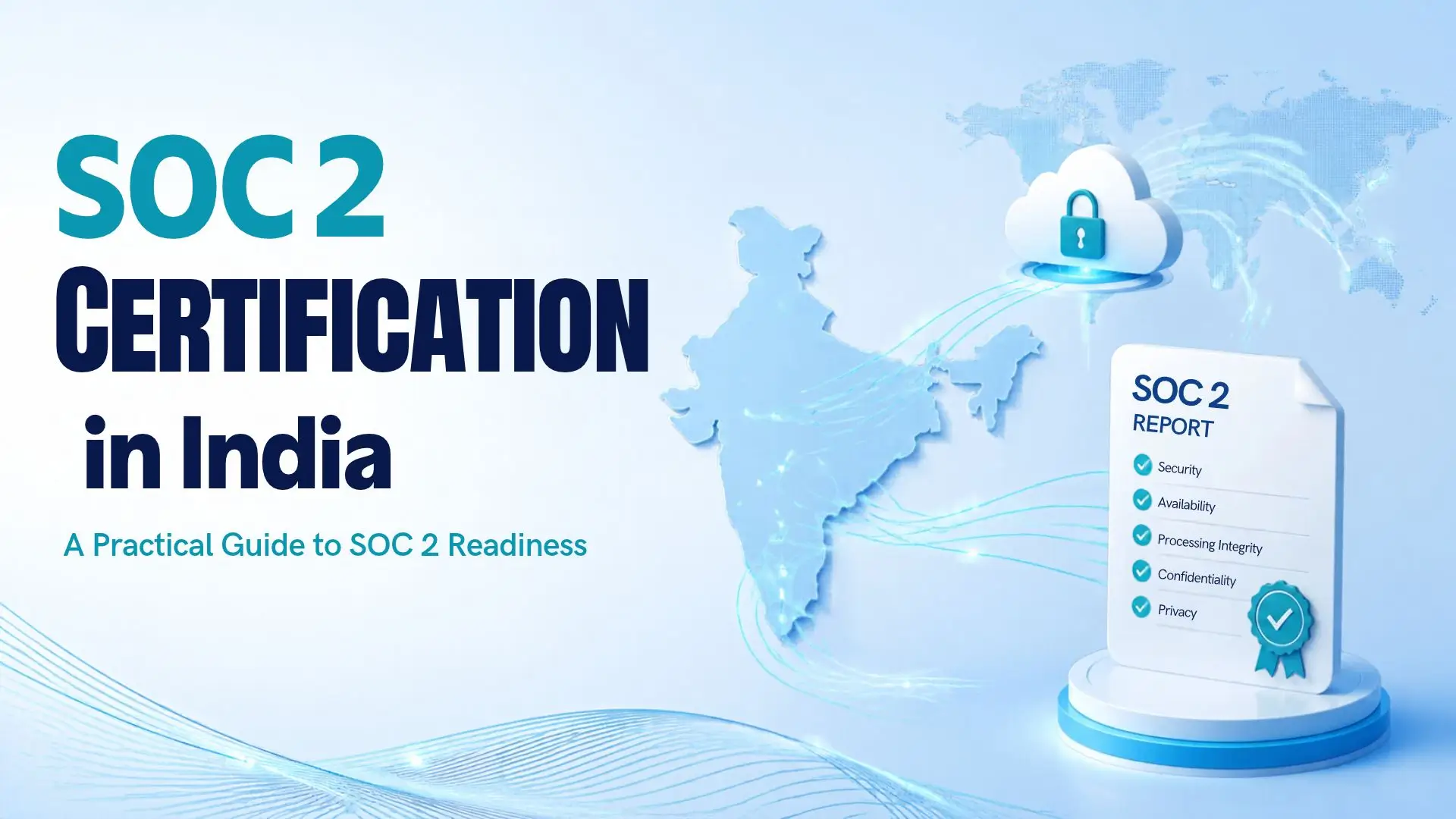
Explore SOC 2 certification and audit services in India with Aanetic. Get expert support for Type 1 and Type 2 readiness, compliance, and audit coordination.
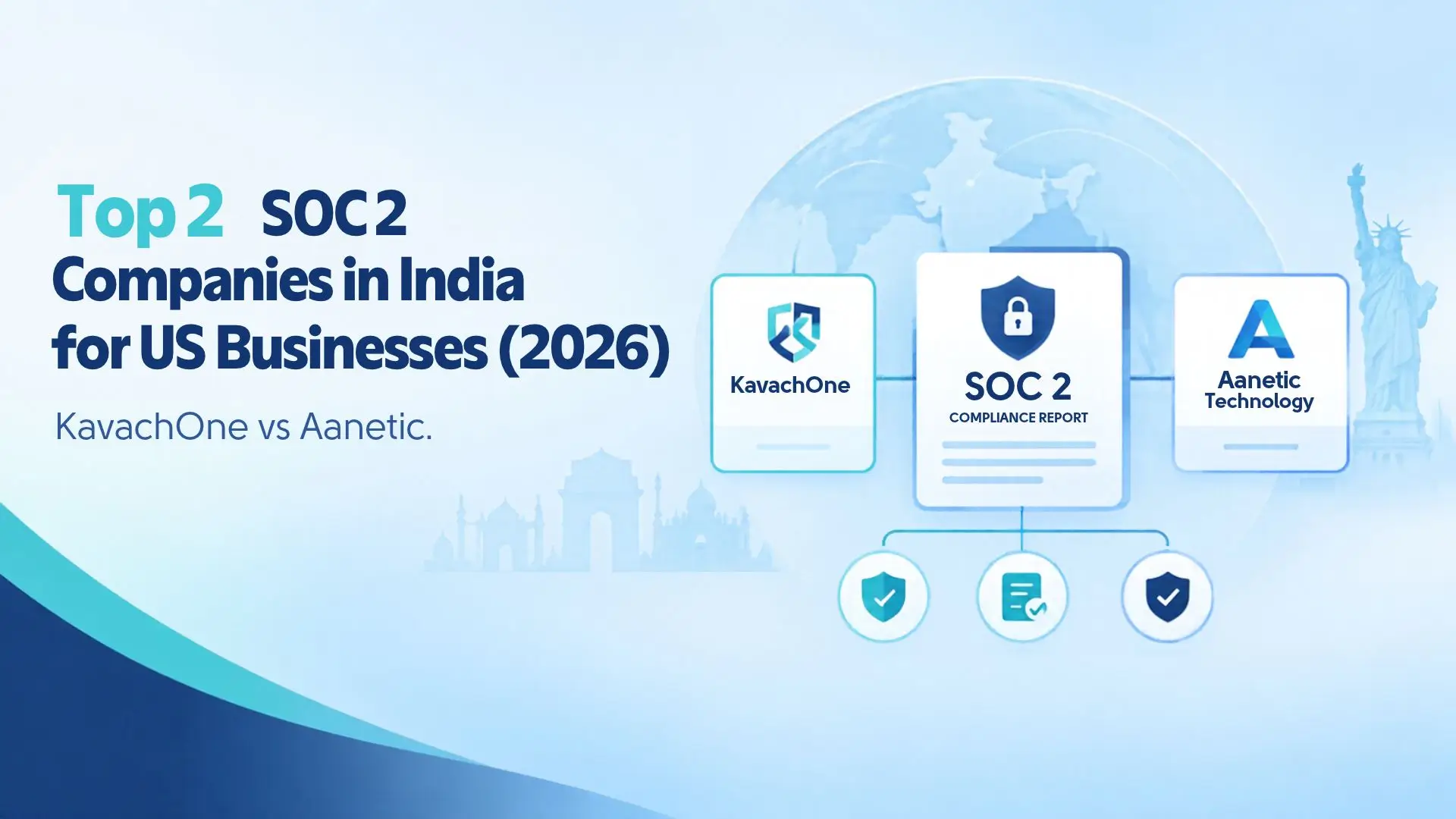
Top 2 SOC 2 Companies in India for US Businesses (2026). Compare KavachOne and Aanetic for SOC 2 readiness, audit support and compliance services.
Explore Affordable SOC 2 Certification for startups with practical planning, readiness guidance, audit, and cost-conscious compliance support from Aanetic.