17 November 2026
|6:08 pm
|Aanetic Advisory Editorial
Explore Affordable SOC 2 Certification for startups with practical planning, readiness guidance, audit, and cost-conscious compliance support from Aanetic.
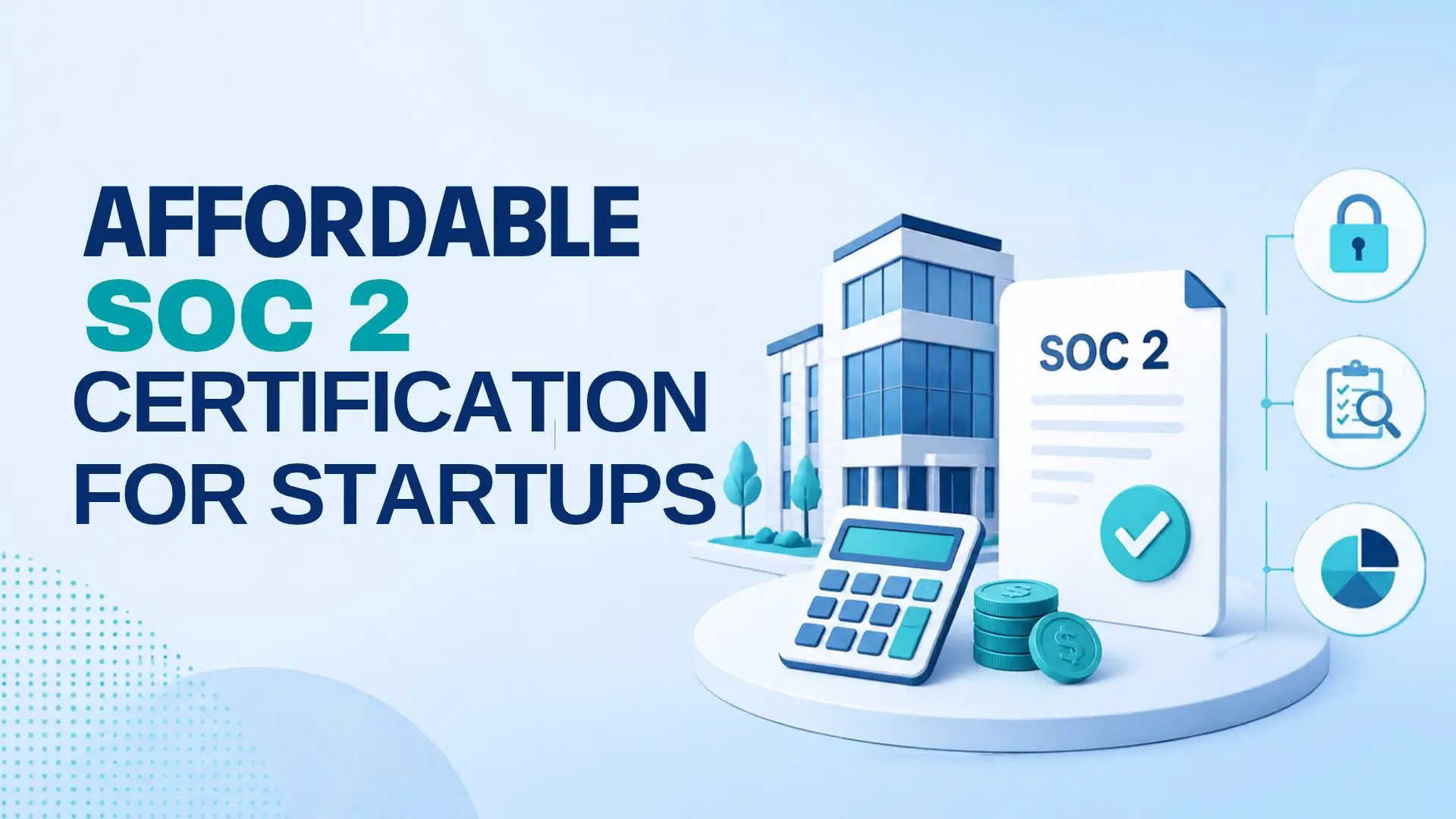
For an early-stage startup, building customer trust is just as important as developing a competitive product. Enterprise customers increasingly want evidence that their technology partners can protect sensitive information, manage security risks, and maintain reliable business operations. This is where SOC 2 becomes relevant.
However, preparing for an independent examination can appear financially challenging when a business has a small team, limited resources, and several operational priorities. SOC 2 Certification for startups is therefore an important consideration for founders who want to strengthen security without committing unnecessary resources.
The objective is not to purchase the cheapest compliance package. It is about understanding what the business needs, establishing appropriate security practices, and investing in the right preparation.
With structured readiness planning and professional guidance from Aanetic, startups can approach SOC 2 requirements with better financial visibility and a clearer understanding of their compliance responsibilities.
Security requirements often become more demanding when startups begin working with larger customers. A growing SaaS company may initially serve a small number of businesses, but enterprise contracts introduce additional expectations around information security, access management, operational reliability, and vendor accountability.
SOC 2 provides an independent assessment of controls relevant to a service organization's systems. It follows the AICPA Trust Services Criteria, covering Security, Availability, Processing Integrity, Confidentiality, and Privacy.
Security is the primary criterion, while the other categories are considered based on the organization's services and commitments.
SOC 2 is an independent attestation report, not a conventional certification. The report provides customers with information about the organization's controls and the independent auditor's conclusions.
For startups, preparing early can also help establish security responsibilities before the company expands its workforce, infrastructure, and customer base.
The SOC 2 audit cost for startups cannot be determined solely by employee count. Two companies with similar team sizes may require significantly different preparation because their technology environments and existing security practices differ.
A startup operating one cloud-hosted application may have a different compliance workload from a fintech business managing multiple integrations, sensitive customer information, and complex access arrangements.
Several financial considerations influence the overall investment.
Readiness and advisory expenses: These cover professional assistance with understanding applicable requirements, evaluating existing practices, and preparing the organization for examination.
Independent auditor fees: The CPA firm's examination and reporting engagement is a separate cost. Readiness consulting and independent attestation should not automatically be assumed to come from the same provider.
Technical improvements: Security weaknesses may require additional work involving identity management, system monitoring, vulnerability management, backup arrangements, or infrastructure configuration.
Internal resource allocation: Employees must spend time managing responsibilities, reviewing procedures, maintaining records, and responding to examination requests. This internal effort incurs a business cost even when no additional employees are hired.
Long-term maintenance: Security controls continue operating after the initial report. Periodic reviews, employee changes, vendor assessments, and infrastructure updates require ongoing attention.
Understanding these expenses helps founders prepare a realistic budget rather than relying on an attractive initial quote that may exclude important activities.
A budget-friendly SOC 2 compliance approach should begin with business requirements rather than software purchases or predetermined packages.
First, identify why the company needs SOC 2. Is an enterprise customer requesting a report? Is the business entering a regulated industry? Does the sales team frequently receive security questionnaires? The answer helps determine the appropriate business priority.
Next, review the existing technology environment. Document the applications, cloud platforms, databases, development systems, employees, and third-party services involved in delivering the product.
The next consideration is resource allocation. Startups should distinguish between activities requiring specialist assistance and responsibilities that existing employees can manage. For example, an engineering lead may oversee technical access practices, while an operations manager coordinates employee-related procedures.
This arrangement can work when responsibilities are clearly defined, and the individuals have sufficient knowledge and authority.
Finally, establish a realistic implementation plan. Divide the work into manageable activities, assign ownership, and connect expenditure to identified requirements. This gives founders greater control over decisions without treating compliance as an unlimited project.
SOC 2 Type 1 and Type 2 serve different assurance requirements. Selecting the appropriate report should depend on customer expectations and business objectives rather than choosing whichever option initially appears less expensive.
SOC 2 Type 1 evaluates whether relevant controls are suitably designed and implemented at a particular point in time. It may be appropriate when customers accept an initial assessment of control design.
SOC 2 Type 2 evaluates the design and operating effectiveness of controls over a defined examination period. It provides additional information about whether controls operated effectively throughout that period.
For a startup, the decision should involve discussions with prospective customers and the independent auditor. If enterprise procurement requires Type 2, pursuing Type 1 purely as a temporary cost-saving measure may create additional work later.
A suitable report selection helps the business direct its resources towards the assurance customers actually expect.
Some startup expenses become difficult to control because decisions are made without understanding their long-term impact.
One example is purchasing multiple security products before reviewing existing capabilities. A business might already have access controls, logging, backup, or monitoring features through its current technology subscriptions. Additional products should address identified needs rather than duplicate existing functionality.
Another consideration is documentation. Policies should describe how the organization actually operates. Creating elaborate documents that employees cannot follow introduces administrative work without necessarily improving security.
Startups should also avoid delaying important decisions until the examination approaches. Late changes to access arrangements, employee responsibilities, or technical configurations can create additional implementation work.
A better financial approach connects each improvement to a specific operational requirement. This makes expenditure easier to evaluate and gives management a clearer understanding of why each activity matters.
A low initial quotation does not always translate into a cost-effective compliance engagement.
Unclear service boundaries can create unexpected expenses when documentation, technical remediation, or evidence preparation is excluded from the original proposal.
Similarly, choosing a provider without understanding the distinction between readiness support and independent examination can lead to confusion about responsibilities.
Another common problem is selecting an examination scope without confirming customer requirements. Expanding the scope without a business reason can introduce additional work, while an unsuitable scope may fail to address the assurance customers expect.
Startups should also consider whether the proposed approach can accommodate future business changes. A compliance process designed around current operations should remain understandable when the company introduces new products, hires employees, or adopts additional cloud services.
Choosing a SOC 2 compliance provider requires more than comparing package prices. Founders should understand the actual professional support included in the engagement.
A suitable provider should be able to explain the applicable requirements, identify preparation gaps, and clarify which activities require attention before an independent examination.
It is also important to understand the provider's experience with technology environments, documentation practices, and evidence requirements.
Before making a decision, review the proposed deliverables, project responsibilities, exclusions, communication process, and additional charges.
Most importantly, confirm who will perform the independent examination and issue the final report. Readiness consulting does not replace independent attestation, and the arrangement must respect applicable professional independence requirements.
Aanetic provides SOC audit and readiness support to help organizations understand applicable requirements, strengthen security controls, organize documentation, and prepare for independent examination.
For startups, this support can help turn a broad compliance requirement into a more structured business activity.
Aanetic's SOC 2 readiness approach includes control gap assessment, policy and process support, evidence review, remediation guidance, and audit preparation. Its SOC audit services also cover Type 1 and Type 2 readiness and coordination with CPA firms.
The value of this approach lies in connecting preparation activities with the organization's actual systems and operational requirements.
Rather than treating every startup as having the same security environment, the preparation process should account for existing controls, business commitments, technical dependencies, and internal resources.
Aanetic helps businesses understand these requirements and plan the work required to become examination-ready. This gives founders and technology teams a clearer basis for allocating time, prioritizing improvements, and managing their compliance responsibilities.
The independent CPA firm remains responsible for conducting the examination and issuing the SOC 2 report.
Explore Aanetic's SOC Audit and Readiness Services to understand the available support.
Low-budget SOC 2 Certification for startups should be approached as a business planning decision, not simply a search for a lower-priced audit package.
The right preparation strategy considers the company's customer expectations, existing security environment, technical requirements, and available resources. It also establishes a foundation that can support future business growth.
With professional readiness guidance, clear responsibilities, and an appropriate examination plan, startups can make more informed compliance investments.
Planning SOC 2 for your startup? Connect with Aanetic to discuss your requirements, understand your readiness gaps, and explore a practical approach to SOC 2 compliance.
Yes. Startups can manage their compliance investment through suitable examination planning, existing security capabilities, prioritized improvements, and structured readiness support. However, essential controls and independent examination requirements cannot be avoided.
Need enterprise guidance on PCI DSS, SOC 2, or RBI compliance frameworks?
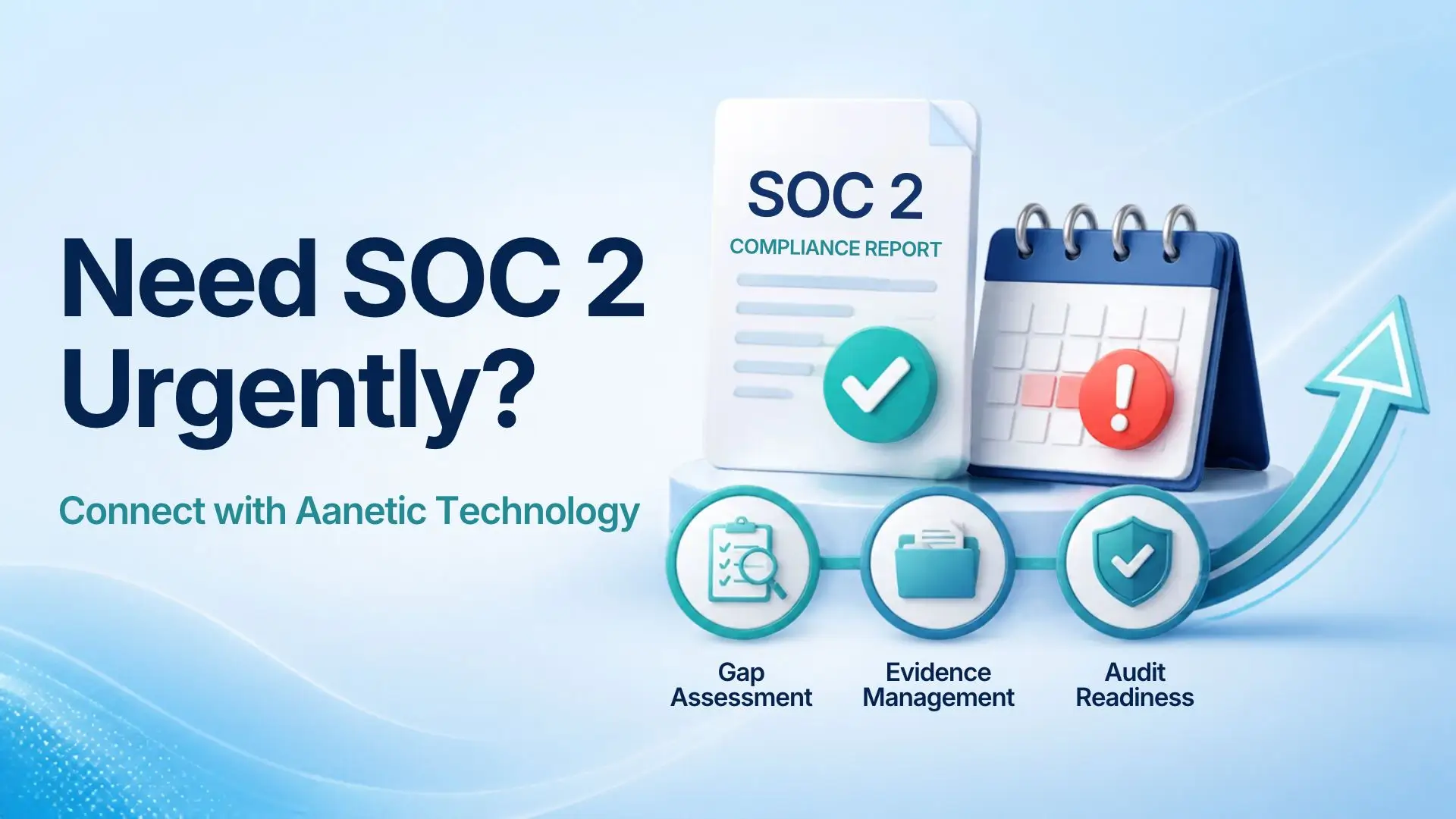
eed SOC 2 Urgently? Get professional readiness support from Aanetic for gap assessment, security controls, documentation and independent audit preparation.
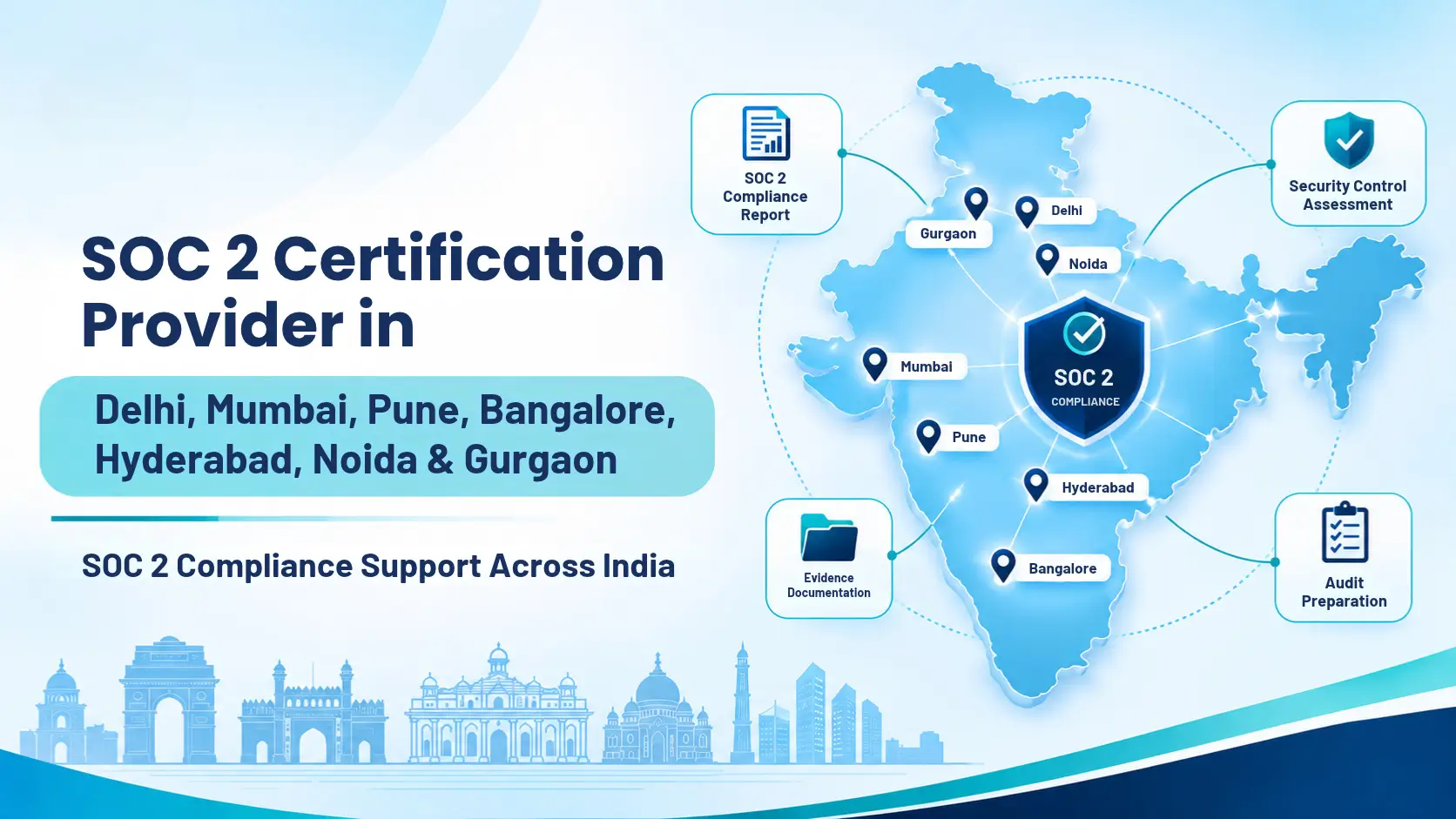
Looking for a SOC 2 provider in Delhi, Mumbai, Pune, Bangalore, Hyderabad, Noida or Gurgaon? Explore Certification support, audit requirements & SOC 2 reports.
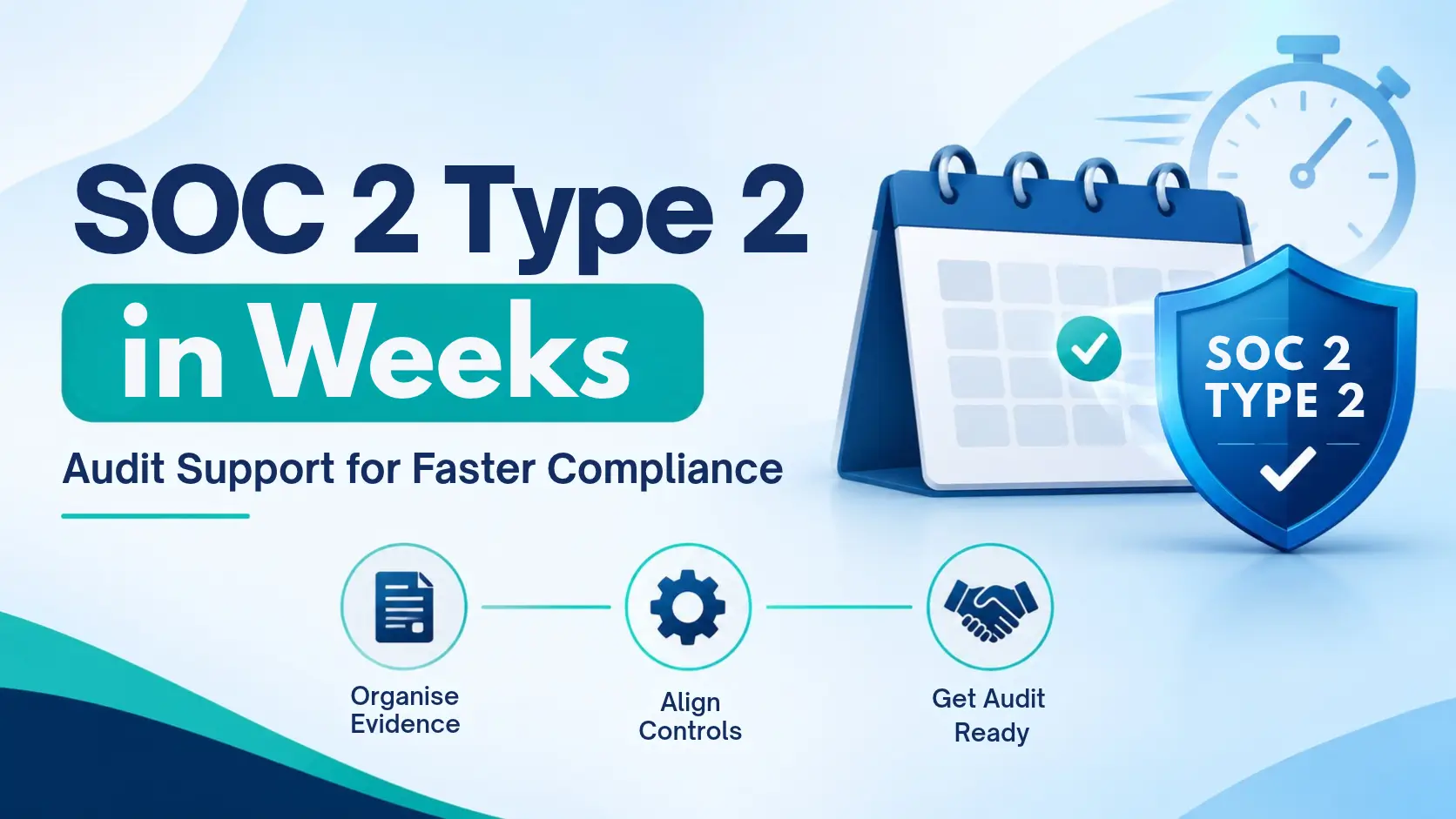
Explore how businesses can organize SOC 2 Type 2 audit support in weeks through better evidence management, control ownership and audit coordination.