16 November 2026
|5:37 pm
|Aanetic Advisory Editorial
Explore how businesses can organize SOC 2 Type 2 audit support in weeks through better evidence management, control ownership and audit coordination.
For businesses working with enterprise customers, SaaS platforms, and international clients, SOC 2 Type 2 can play an important role in demonstrating the effectiveness of their security controls. However, the examination involves more than preparing policies or collecting documents. It requires evidence that relevant controls have been operating effectively over an agreed observation period.
This is why companies seeking SOC 2 Type 2 in Weeks should understand which parts of the engagement can be completed within a shorter timeframe and which activities require a longer period of examination.
With the right audit support, businesses can improve coordination between departments, maintain reliable evidence records, and respond to auditor requests more efficiently. The objective is to make the engagement organized and manageable without compromising the integrity of the examination.
SOC 2 Type 2 is an independent examination of an organization's controls over a defined period. It evaluates whether relevant controls are suitably designed and operating effectively in practice.
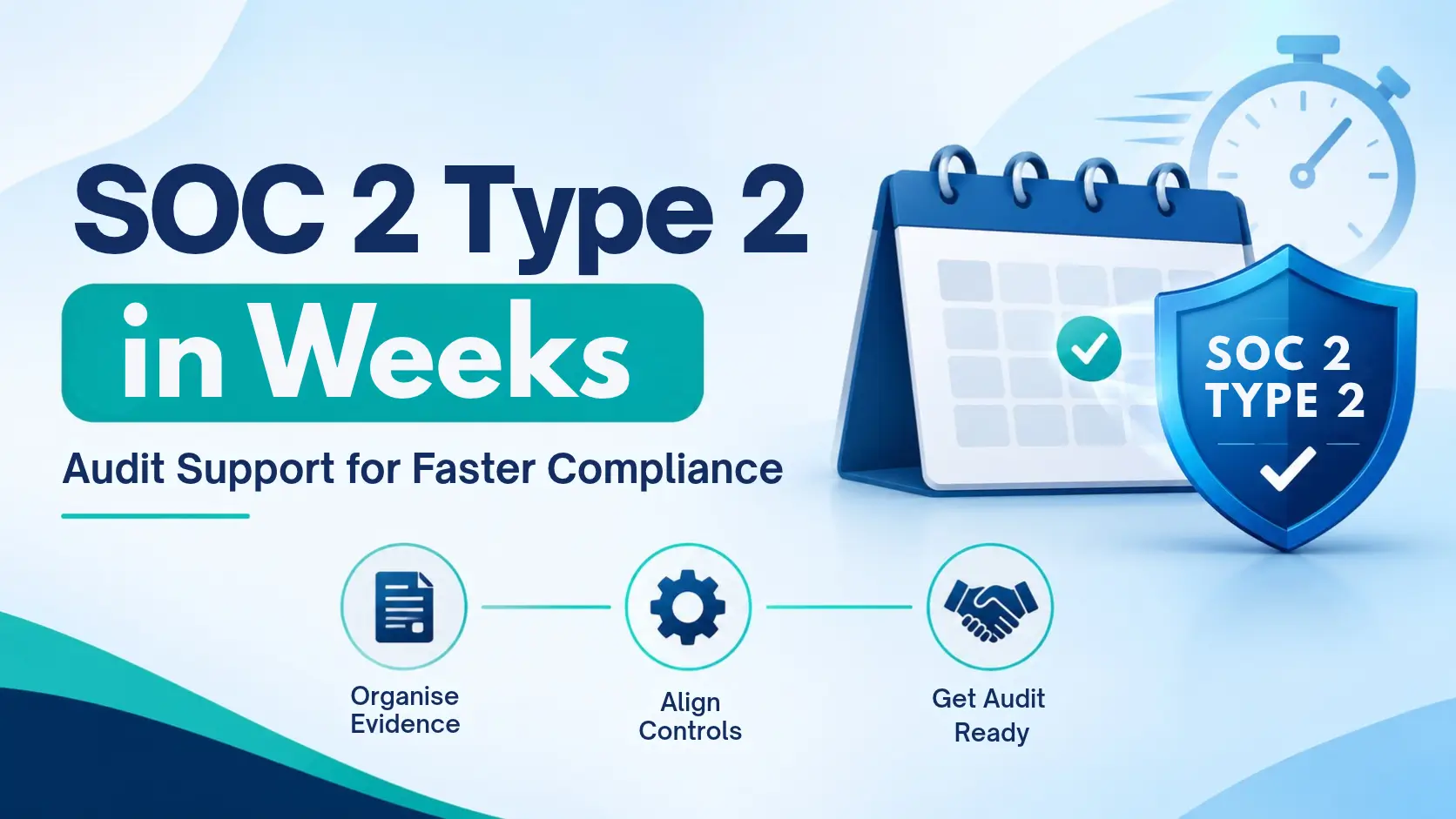
The phrase SOC 2 Type 2 in Weeks generally refers to organizing specific audit-support activities within weeks. These activities may include documentation management, control ownership, evidence organization, internal coordination, and preparation for auditor queries.
It does not mean that every organization can complete the entire Type 2 examination or receive its final report within a few weeks. The observation period must be established with the independent auditor, and the final report depends on the examination results and reporting process.
Understanding this distinction helps businesses set realistic expectations while making meaningful progress on their compliance objectives.
SOC 2 evidence often comes from different business functions. The IT team may maintain system access records, HR may manage employee lifecycle documentation, engineering may handle software change records, and management may oversee risk-related decisions.
When these records are maintained independently without a common process, audit coordination can become difficult. Teams may use different document versions, provide incomplete information, or struggle to explain how a particular control operates.
A structured audit-support process creates clarity around responsibilities and information flow. Each relevant department understands which records it maintains, who reviews them, and how the information will be presented during the examination.
This coordination is particularly important for organizations with distributed teams, multiple cloud environments, or frequent product releases.
Evidence quality is an important part of a SOC 2 Type 2 examination. Documents should accurately represent the organization's activities rather than merely demonstrate that a policy exists.
For example, an access management policy may describe how employees receive system permissions. However, supporting records should also help demonstrate how access is approved, assigned, reviewed, and withdrawn in practice.
The same principle applies to other operational activities. Change management records should reflect actual software changes, while incident management documentation should accurately record reported incidents and the organization's response.
Businesses should establish a consistent method for maintaining these records. Evidence should have clear ownership, relevant dates, and sufficient context to explain the activity it supports. Maintaining this information throughout the observation period makes it easier to address examination requests and trace individual control activities.
Technology businesses frequently update applications, cloud infrastructure and internal systems. These changes may affect the security environment and therefore require appropriate records.
A software release, for instance, may involve a development request, code review, approval, testing and deployment. If these activities are performed but not properly recorded, demonstrating the organization's change management practices can become difficult.
Companies should ensure that their engineering and operations teams maintain records that reflect the actual release process. The records should make it possible to understand who initiated the change, who reviewed it, and how it was implemented.
For businesses with frequent deployments, maintaining this information as part of normal engineering operations is more practical than attempting to reconstruct records later.
Employee lifecycle management and third-party relationships can also contribute to the evidence required for a SOC 2 examination.
When an employee joins, changes responsibilities, or leaves the organization, the related access and approval records should reflect the actual process followed. Inconsistent records can make it difficult to establish whether access permissions were managed appropriately.
Third-party service providers introduce another area of responsibility. Businesses should maintain relevant information about vendors that support their systems or handle business information. Depending on the relationship and risk, this may include vendor assessments, contractual security requirements, review records, and issue follow-ups.
A centralized approach to these records helps teams locate information when requested and maintain a clearer view of operational responsibilities.
During an independent examination, the auditor may request additional information to understand how a control operates or to verify the evidence provided.
Delays can occur when requests are shared informally across departments or when no one is responsible for preparing a response. Repeated follow-ups may also arise when submitted records lack context.
A query management process can make communication more organized. Each request should be assigned to the appropriate owner, tracked through its response stage and supported by relevant records. If clarification is needed, the responsible team should provide an accurate explanation rather than making assumptions.
This approach helps management understand outstanding requests and gives the auditor a clearer path to the required information. It also reduces confusion when several departments contribute to the same examination.
SOC 2 work should be coordinated with regular business activities. Engineering teams still need to deliver product updates, HR teams must manage employee requirements, and IT teams must maintain daily operations.
A compliance engagement becomes difficult when evidence requests and internal meetings are not aligned with departmental workloads. Businesses can improve this by assigning clear responsibilities and planning review activities around existing operational schedules.
Control owners should know what information they are expected to maintain and when it may be required. Management should also have visibility into unresolved issues and activities that need attention.
This creates a more sustainable approach to compliance because evidence maintenance becomes part of normal business operations rather than a separate administrative exercise.
The time required for an engagement depends on the organization's existing security practices, system complexity, available records, and examination scope.
Some supporting activities can be organized within a few weeks once the required information is available. These may include reviewing control documentation, assigning departmental responsibilities, organizing available evidence, establishing an auditor query register, and improving communication between internal teams.
Other activities may require additional time. For example, a control that has not been operating consistently cannot be demonstrated as effective merely by preparing a new document. Similarly, the Type 2 observation period cannot be replaced by a short documentation exercise.
Businesses should therefore distinguish between audit preparation, control operation and independent examination. This makes planning more realistic and helps avoid misleading expectations about the final report timeline.
Aanetic provides cybersecurity, compliance, and audit-readiness support to organizations working towards SOC 2 requirements. Its services can help businesses organize relevant documentation, review control practices, and manage the information required during an independent examination.
For organizations planning SOC 2 Type 2 in Weeks, Aanetic can support the coordination of audit-related activities by helping teams establish clearer control responsibilities, organize supporting evidence, and address documentation gaps.
The engagement can also involve reviewing how business processes are documented, maintaining relevant records, and coordinating with the independent examination firm to provide the information required.
Aanetic's role is to support the organization's readiness and audit coordination. The independent SOC 2 examination and final report remain the responsibility of the qualified CPA firm.
Businesses can discuss their existing compliance position, operational environment, and reporting requirements with Aanetic to determine the appropriate level of support for their engagement.
Planning SOC 2 Type 2 in Weeks requires a clear understanding of what can be organized quickly and what must be demonstrated over the examination period. Better evidence management, defined departmental responsibilities, and consistent audit communication can make the process more structured.
For growing technology businesses, maintaining reliable records during everyday operations is equally important. When teams understand their responsibilities and keep supporting information readily accessible, they are better prepared to meet examination requirements.
Aanetic helps businesses approach SOC 2 readiness through structured compliance support, evidence organization, and audit coordination, enabling organizations to manage their responsibilities with greater clarity.
The complete examination and final report cannot be guaranteed within a few weeks. SOC 2 Type 2 requires an agreed observation period during which the auditor evaluates the operating effectiveness of relevant controls. Certain preparation and coordination activities may be organized within weeks.
Need enterprise guidance on PCI DSS, SOC 2, or RBI compliance frameworks?
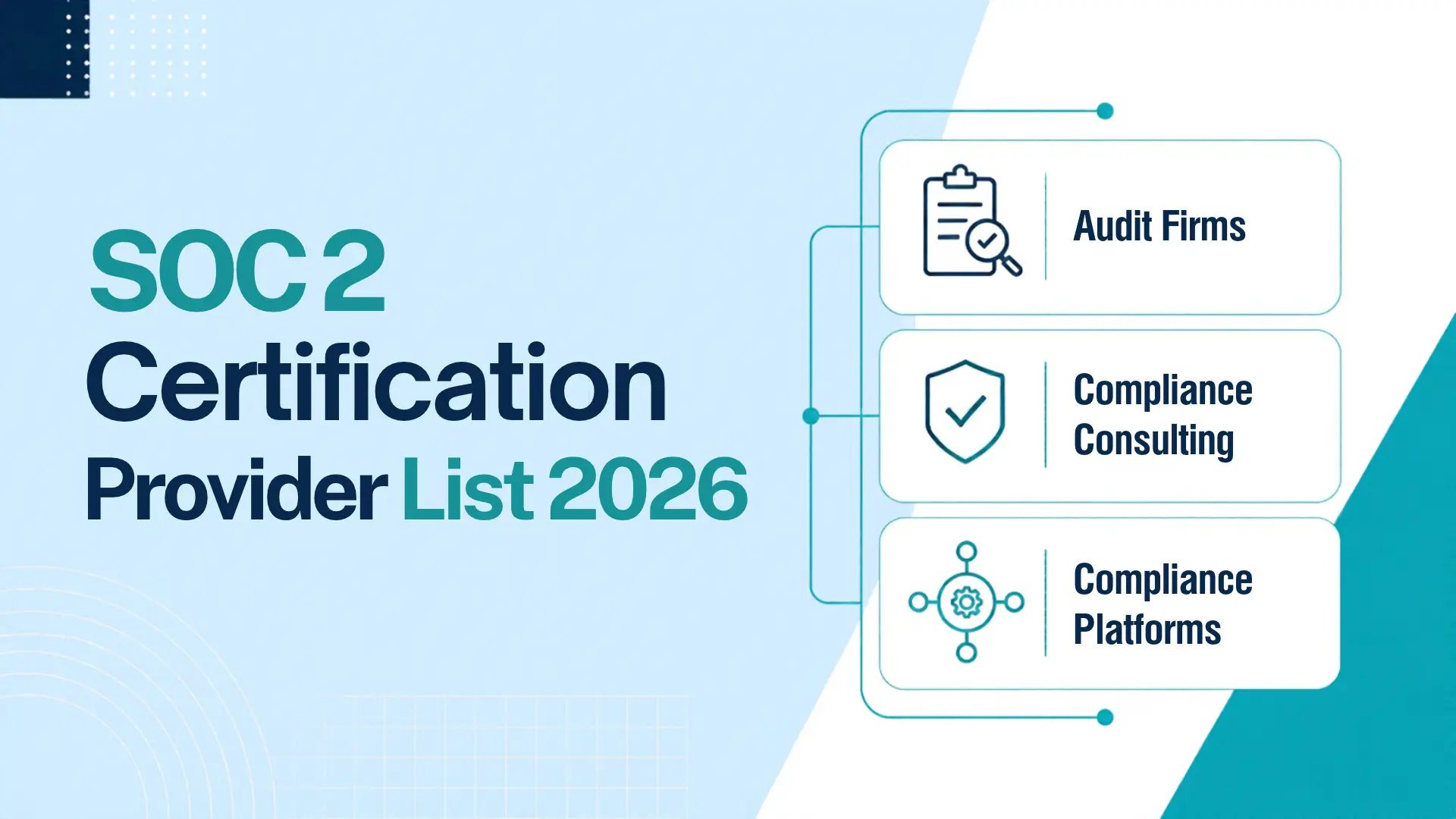
Looking for a SOC 2 certification provider near me? Explore local and remote compliance support, audit coordination, and SOC 2 services for businesses
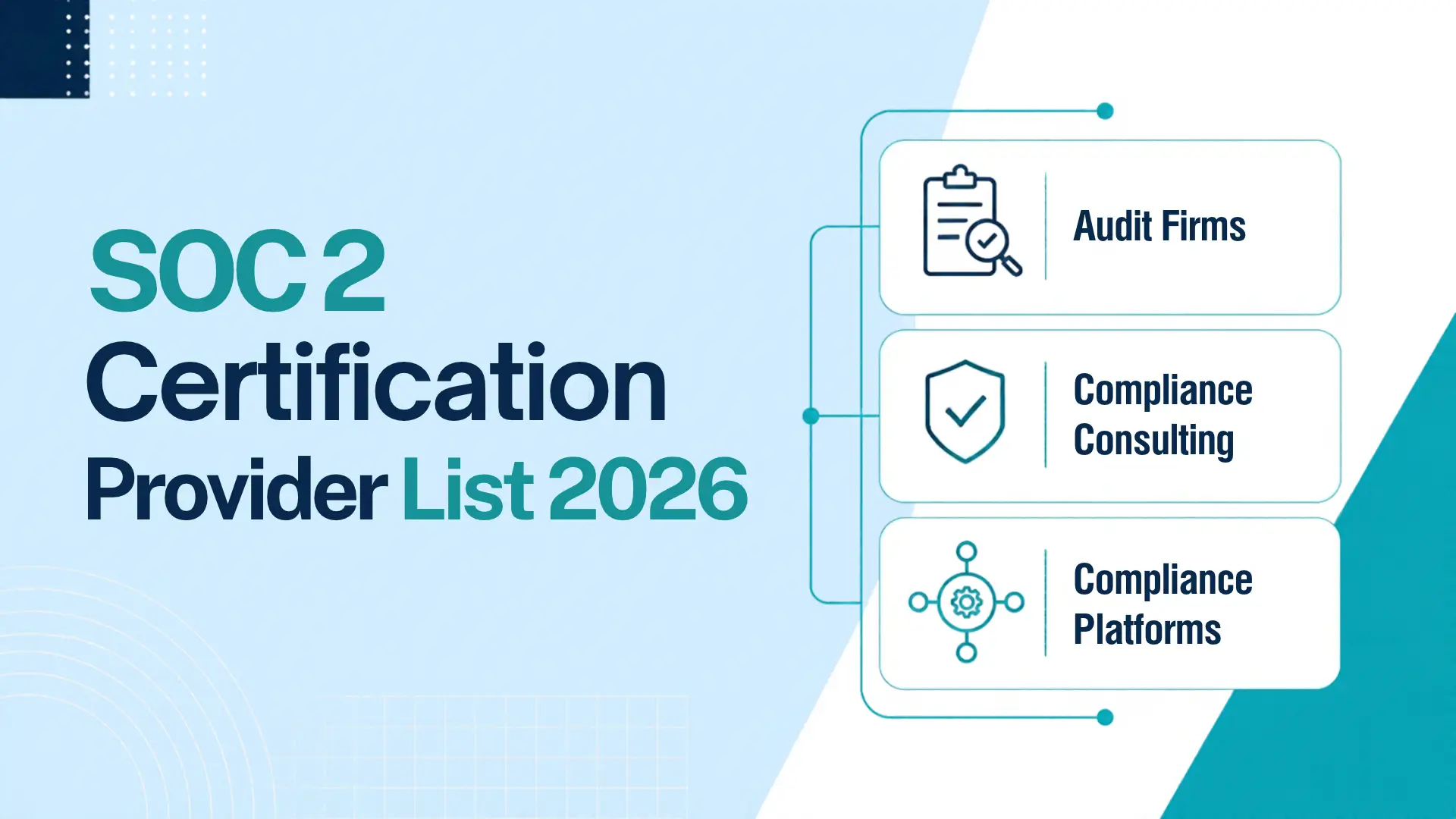
Explore the SOC 2 Certification Provider List 2026 and compare audit firms, compliance platforms, and technology solutions for business security.
Looking for fast and affordable SOC 2 support? Compare KavachOne and Aanetic Technology to understand their services, approach and compliance support.