6 November 2026
|11:23 am
|Aanetic Advisory Editorial
Learn how to speed up your SOC 2 Type 2 audit preparation with precision scoping, technical remediation, and evidence automation. Get audit-ready with Aanetic.
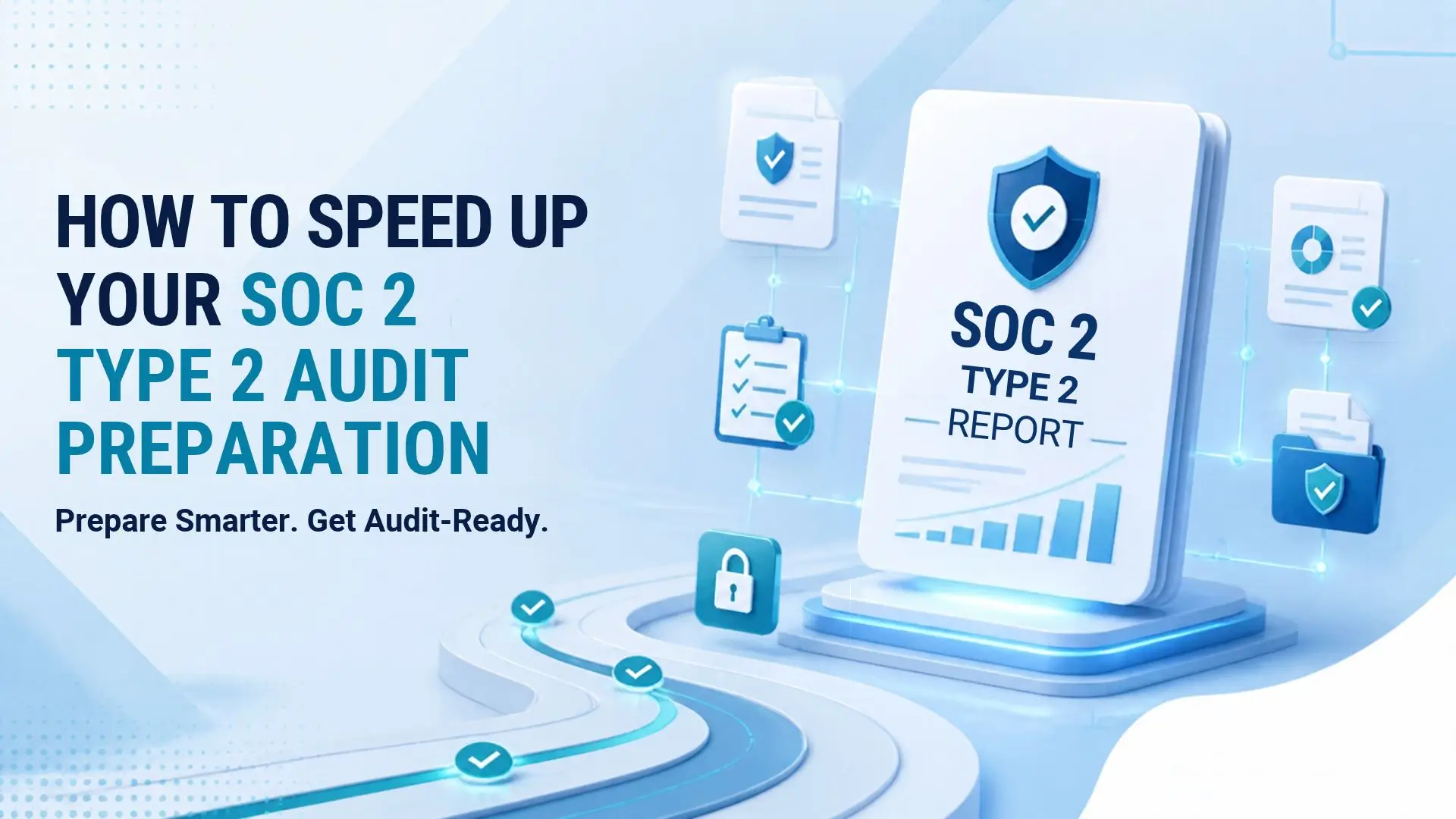
Enterprise buyers and security procurement teams often ask, "Can you share your SOC 2 Type 2 report?" A Type 1 report indicates that your security controls are well-designed at a single point in time. In contrast, a SOC 2 Type 2 assessment checks if those controls actually worked over a longer period, usually 3, 6, or 12 months.
For fast-growing SaaS companies and IT service providers, traditional compliance prep can take months and use up valuable engineering time. Teams often scramble to take screenshots, search for missing access logs, and draft policies without coordination, which slows enterprise deals. Speeding up your SOC 2 Type 2 audit prep is not about cutting corners or skipping required observation periods. Instead, it means removing organizational roadblocks, automating evidence collection, and starting your audit window with full preparation in place.
Before accelerating the audit lifecycle, engineering and compliance leaders must clarify what can and cannot be compressed.
The Observation Window Cannot Be Skipped: An accredited CPA auditor must evaluate your controls over time. If your enterprise prospects require a 3-month or 6-month observation window, that testing window must run its course.
Preparation delays can be reduced. Many organizations lose 6 to 9 months to pre-audit chaos, including unclear audit scoping, slow security fixes, mismatched policies, and messy evidence trails.
Accelerating your SOC 2 Type 2 timeline requires executing readiness, control design, and technical gap remediation swiftly so your observation period starts smoothly and concludes with an unqualified audit opinion.
A common driver of audit delays is "scope creep." The American Institute of Certified Public Accountants (AICPA) outlines five Trust Services Criteria (TSC): Security (Common Criteria), Availability, Confidentiality, Processing Integrity, and Privacy.
Trying to tackle all five criteria in your first audit cycle unnecessarily increases documentation overhead.
Focus strictly on the Security (Common Criteria) first, as it covers the foundational requirements for firewalls, encryption, identity governance, vulnerability management, and incident response.
Add Availability or Confidentiality only if your core customer Service Level Agreements (SLAs) or data storage commitments explicitly demand them.
Clearly isolate your production boundary (e.g., AWS, GCP, or Azure environments hosting customer workloads) from internal corporate IT to reduce the surface area subject to testing.
Remediating infrastructure gaps during your observation window introduces control exceptions. Implementing core technical controls before Day 1 of your audit window ensures consistent evaluation:
Identity & Access Management (IAM): Enforce multi-factor authentication (MFA) across all identity providers (IdP), version control systems (e.g., GitHub, GitLab), and cloud environments. Transition to Role-Based Access Control (RBAC) in line with the principle of least privilege.
Automated Change Management: Configure branch protection rules that require peer code reviews and automated CI/CD pipeline tests before code merges to production branches.
Data Encryption Standards: Enforce TLS 1.2/1.3 for all data in transit and AES-256 for data at rest across cloud databases, object storage buckets, and automated backups.
Vulnerability Assessment and Penetration Testing (VAPT): Complete an independent penetration test and resolve all critical- and high-severity findings before your observation window.
Using long, generic security policy templates can slow compliance, since teams rarely follow them in practice. Auditors check whether your written policies align with what you actually do day-to-day.
Keep access control, change management, incident response, and vendor risk management policies concise and reflective of your actual tech stack.
Establish defined onboarding checklists and automated offboarding protocols (e.g., revoking access within 24 hours of an employee's departure), since HR and identity lifecycle logs are consistently sampled during audits.
The most labor-intensive aspect of audit preparation is evidence collection. Pulling manual screenshots of configurations, backup logs, and user lists drains engineering time and creates version-control confusion.
Connecting your cloud environments, ticketing systems, and code repositories directly to an automated compliance platform enables continuous collection of configuration snapshots and access logs in the background. This provides clear, timestamped evidence of the effectiveness of control throughout the audit period.
Compliance automation software offers helpful dashboards, but tools alone cannot make architectural choices, do custom risk assessments, or answer detailed questions from CPA auditors. Aanetic fills this gap by combining modern automation with hands-on cybersecurity advice.
Tailored Scoping and Architecture Review: Aanetic works directly with your engineering and DevOps teams to define precise system boundaries. By focusing on customer-facing production environments and relevant Trust Services Criteria, Aanetic prevents control creep and keeps preparation efficient.
Hands-On Remediation Guidance: Rather than simply flagging hundreds of uncontextualized issues, Aanetic’s technical specialists provide actionable remediation guidance across AWS, GCP, Azure, Kubernetes, and CI/CD pipelines.
Pragmatic Security Policy Engineering: Aanetic helps establish operational security procedures tailored to your agile engineering culture, ensuring your access reviews, vendor assessments, and incident response playbooks reflect reality.
Integrated Evidence Automation: Leveraging continuous control monitoring and evidence collection tools, Aanetic reduces repetitive manual tasks and validates your documentation before auditor review.
Auditor Liaison and Examination Support: Navigating CPA inquiries can distract core technical leaders. Aanetic organizes your audit repository, assists during auditor walk-throughs, and coordinates evidence submissions to keep review cycles on track.
Preparing in an organized way for your SOC 2 Type 2 audit brings real benefits to your organization, not just the final report:
Shortened Enterprise Sales Cycles: Having a current SOC 2 Type 2 report answers vendor security questions early and speeds up procurement reviews with enterprise clients.
Preserved Engineering Focus: Eliminating ad hoc screenshot collection and repetitive audit requests keeps your product and engineering teams focused on feature roadmaps.
Reduced Audit Exceptions: Resolving gaps and establishing automated monitoring before the observation window helps ensure consistent control operation and avoid qualifying remarks in the final report.
Multi-Framework Efficiency: The controls you set up for SOC 2 Type 2, such as access management, encryption, and incident response, also apply to other frameworks, including ISO 27001, the DPDP Act 2023, and PCI DSS. This makes future audits easier.
Getting enterprise security compliance does not have to slow down your engineering team. With clear scoping, proactive technical fixes, and organized audit support, your team can confidently handle SOC 2 Type 2 prep.
Connect with the compliance specialists at Aanetic today to schedule an architecture assessment, evaluate your current control posture, and establish an efficient roadmap toward SOC 2 Type 2 readiness.
A SOC 2 Type 1 report assesses whether your organization’s security controls are properly designed at a given point in time. A SOC 2 Type 2 report examines both the design and the effectiveness of those controls over a longer period, usually between 3 and 12 months.
Need enterprise guidance on PCI DSS, SOC 2, or RBI compliance frameworks?
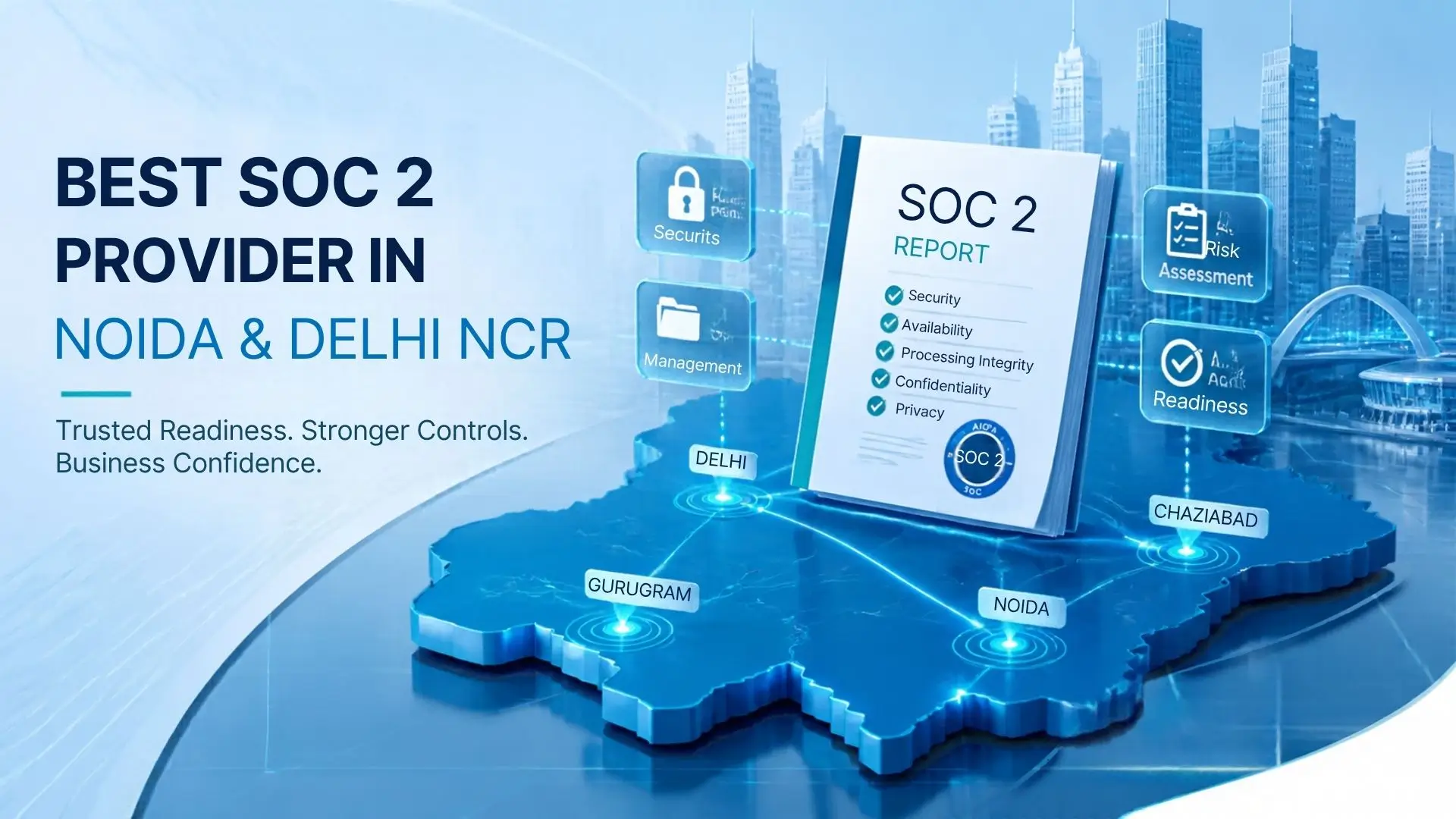
Looking for the best SOC 2 provider in Noida & Delhi NCR? Explore SOC 2 readiness, gap assessment, documentation and audit preparation support with Aanetic.
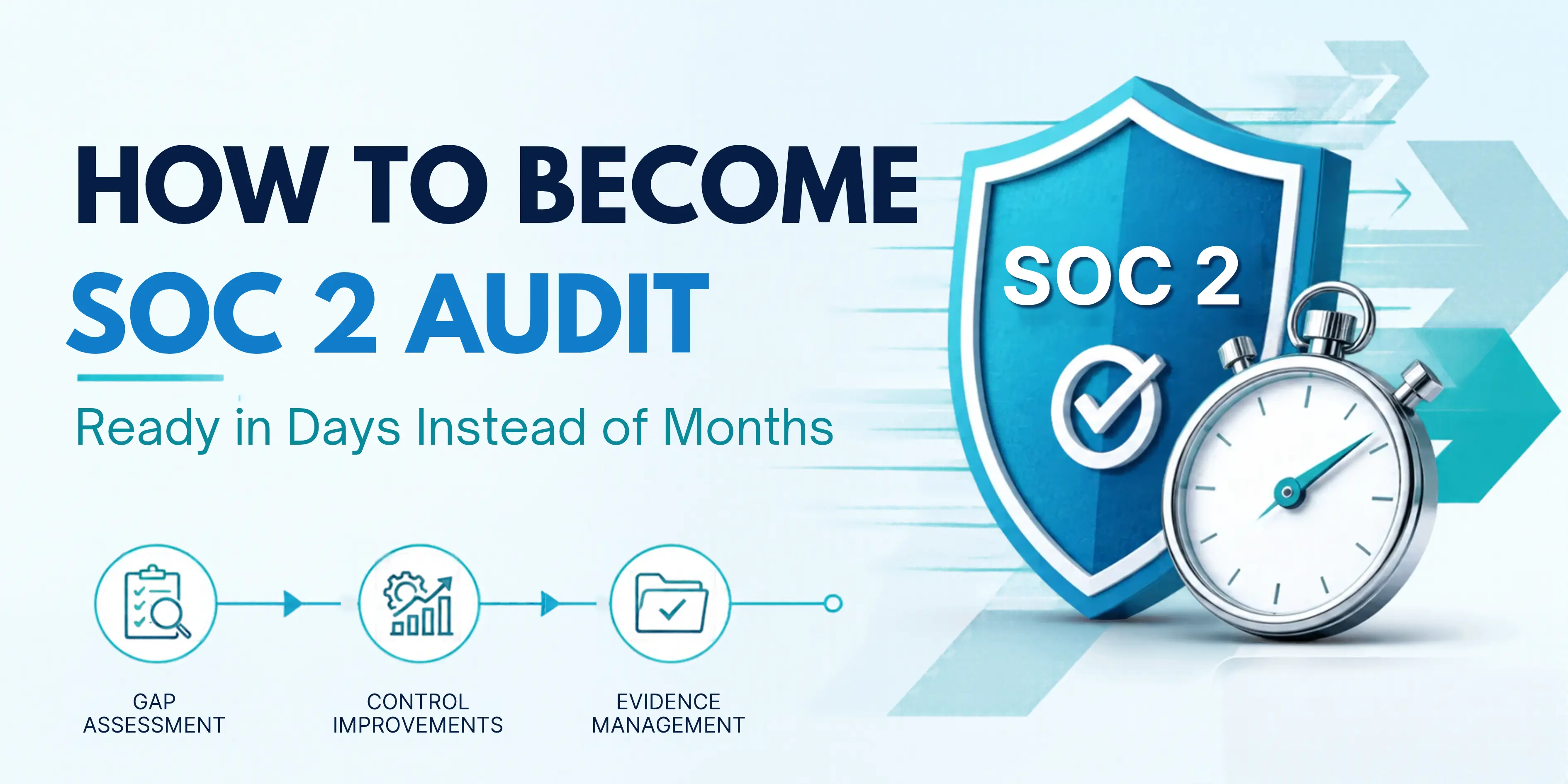
Learn how to accelerate SOC 2 audit readiness with automation, evidence collection, control mapping, and expert compliance support from Aanetic.
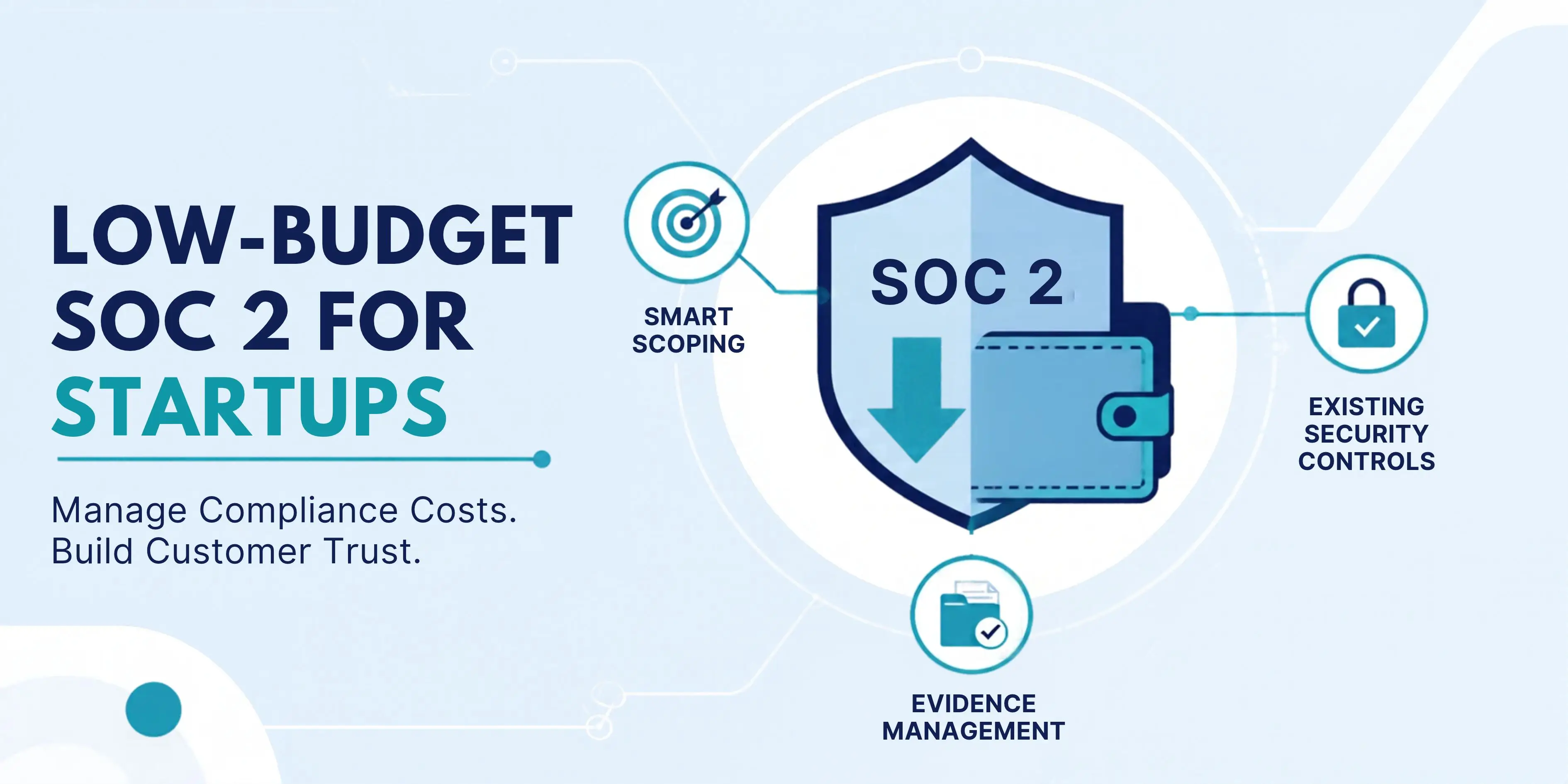
Looking for low-budget SOC 2 certification? Aanetic helps startups achieve SOC 2 compliance with cost-effective solutions and expert guidance.