20 November 2026
|1:51 pm
|Aanetic Advisory Editorial
Partner with Aanetic for offshore SOC 2 compliance and readiness. Streamline gap assessments, organize audit evidence, and accelerate US SaaS readiness.
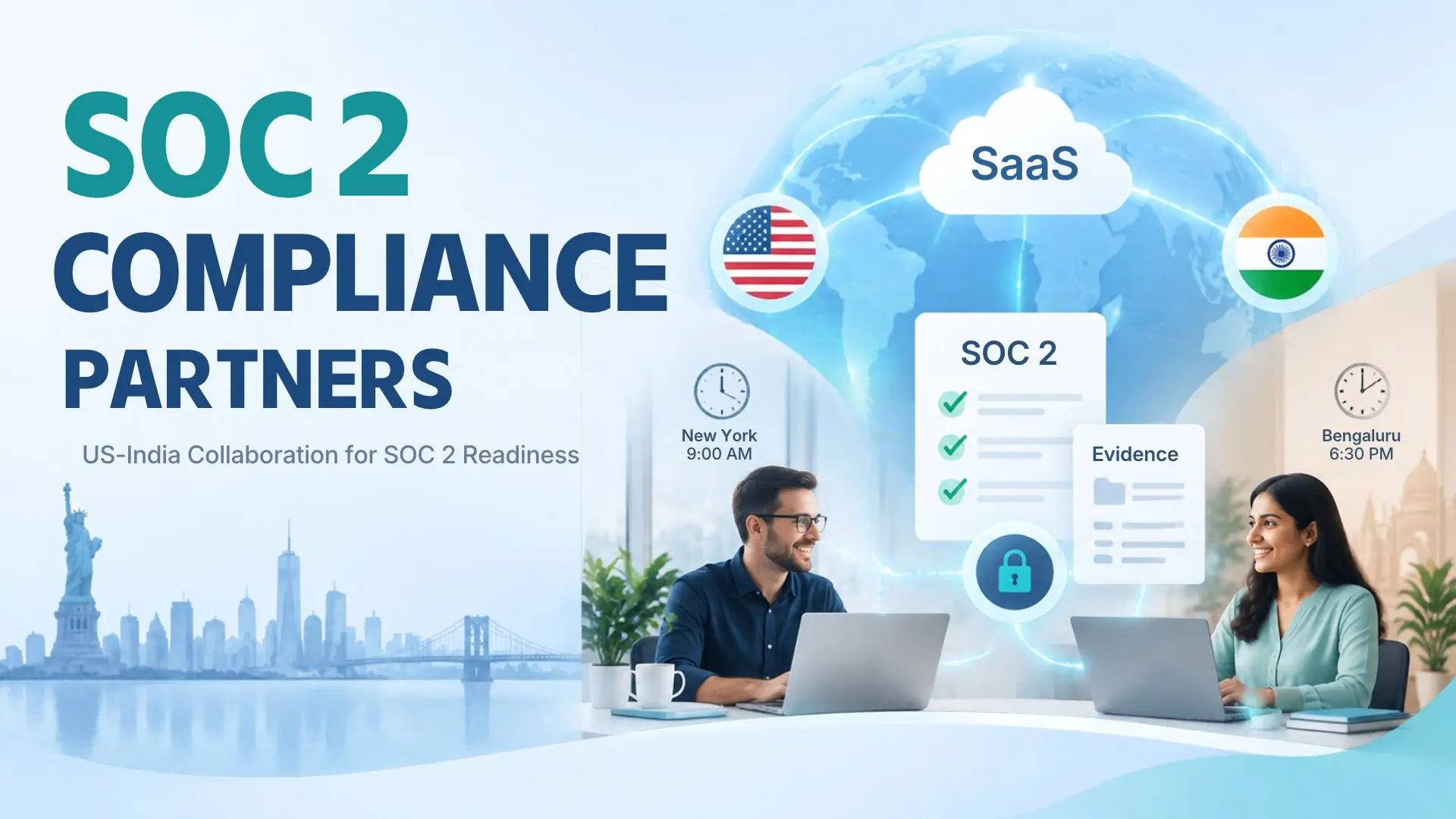
SOC 2 compliance partners help US SaaS companies organize readiness activities, address control gaps, prepare documentation, and coordinate evidence without requiring every task to be handled by an already stretched internal team. When a partner works from India, structured collaboration across time zones can also create opportunities to complete preparation tasks efficiently.
For US businesses considering India-based SOC 2 compliance partners, the important question is not simply whether work can be completed at a lower cost. It is whether the service provider understands SaaS operations, protects sensitive information, communicates reliably, and supports the company's internal security responsibilities.
A well-defined remote support arrangement can make preparation more manageable. It cannot replace the company's control owners or the independent CPA firm responsible for the SOC 2 examination and report.
SOC 2 preparation involves more than writing security policies. A SaaS company may need to coordinate engineering, IT, human resources, security, customer support, and leadership to demonstrate how controls operate.
For example, an engineering team may manage production access and software changes, while HR maintains employee onboarding and termination records. IT may oversee endpoint security, and leadership may approve risk treatment decisions. Evidence from these activities must be collected and organized for the examination.
These responsibilities can compete with product releases, customer support, and daily operations. When control ownership is unclear, or evidence requests are handled through scattered messages, preparation can lose momentum.
A dedicated readiness partner can provide coordination and documentation support, helping internal teams focus on the operational decisions and technical work that require their direct involvement.
A SOC 2 compliance partner supports the preparation process while the SaaS company remains responsible for its systems, people and controls.
It is important to distinguish four roles.
Readiness partner: Reviews the existing control environment, identifies gaps, supports documentation, and helps organize evidence before an examination.
Independent CPA auditor: Conducts the SOC 2 examination, evaluates relevant controls, and issues the report in accordance with applicable professional requirements.
Compliance automation platform: Helps centralize policies, control assignments, evidence requests, and monitoring activities.
Internal security or IT team: Owns and operates the company's actual technical and administrative controls.
These roles can work together, but they are not interchangeable. A compliance consultant cannot independently declare that a company has passed SOC 2, and a compliance platform cannot replace the independent examination.
The value of a readiness partner comes from taking ownership of defined preparation tasks and keeping them visible.
A compliance consultant can review the company's existing policies, access practices, risk processes and technical documentation against the agreed SOC 2 scope. The resulting gap register helps management distinguish between controls that already operate, controls needing improvement and documentation that is missing.
Security policies should reflect how the business actually works. A dedicated support team can help prepare or refine documents covering access management, change management, incident response, vendor oversight and other relevant areas. Internal owners must review and approve the documents and ensure that the stated procedures are followed.
A control matrix can connect each requirement to its owner, implementation status, supporting evidence, and outstanding action. For example, if production access needs a documented periodic review, the readiness team can track the request and follow up with the responsible engineering manager. The manager remains responsible for performing and approving the review.
A compliance support team can help define evidence requests, maintain a repository, check whether submissions are complete, and flag missing context. Evidence might include access review records, change tickets, vulnerability reports, employee training records, or incident logs.
During the examination, a readiness partner can help route auditor requests to the correct internal owner, track response status, and organize supporting files. This reduces the risk of duplicate requests and unclear responsibilities, while management and control owners remain accountable for the accuracy of responses.
The efficiency comes from better coordination and earlier visibility, not from skipping control activities or reducing the auditor's work.
A US SaaS company and an India-based readiness team may have limited overlap in working hours, depending on the US team's location and seasonal daylight-saving time changes. With a planned schedule, that difference can support an effective handover model.
For example, a US security manager can share a list of evidence questions before the end of their working day. The India-based team can organize the submitted material, identify missing details, and prepare follow-up questions during its working hours. The US team can then review those items when its workday begins.
This approach is useful only when responsibilities and communication expectations are clear. Teams should agree on meeting windows, response priorities, escalation contacts, and a shared task tracker. Critical security incidents should continue to follow the company's incident response process rather than wait for a routine time-zone handover.
A compliance partner should fit into the company's established workflow rather than introduce unnecessary operational disruption.
Before starting, agree on the tools to be used for communication, project tracking, documentation, and evidence storage. These might include the company's existing ticketing system, approved document repository, identity platform and compliance management software.
The service provider should understand which requests belong to engineering, security, HR or leadership. A change-management evidence request, for instance, should be directed to the team that manages software releases, not simply sent to a general mailbox.
A shared responsibility matrix helps prevent confusion. It should identify who performs each control, who approves it, who supplies evidence, and who follows up on outstanding work.
Remote compliance support can involve access to internal policies, system configurations, security records, and other confidential business information. US companies should evaluate the service provider's security practices before sharing these materials.
Least-privilege access means providing only the permissions needed for assigned tasks and avoiding unnecessary access to production. Role-based permissions restrict access to documents and systems based on each person's responsibilities. Secure file sharing involves using approved repositories with access controls, encryption, and appropriate activity logging.
Companies should also establish confidentiality agreements that define how business information must be protected and used. Regular access reviews help ensure permissions are updated when responsibilities change or the engagement ends. A vendor risk assessment should evaluate the provider's security policies, incident response practices, subcontractors and relevant contractual commitments.
The agreement should also clarify data handling, retention, deletion, breach notification, permitted locations of access and responsibility for protecting shared information. Sensitive customer data should not be shared merely because it may make evidence collection easier. Use redacted or limited evidence where it is sufficient for the task.
A suitable partner should demonstrate more than familiarity with SOC 2 terminology. Evaluate its understanding of SaaS environments, including cloud infrastructure, identity management, software development workflows, third-party dependencies and customer data handling.
Ask how it conducts readiness reviews, assigns control owners, tracks remediation and checks evidence quality. Request a clear description of deliverables, communication arrangements, access requirements and escalation procedures.
It is equally important to understand the auditor relationship. Ask who will perform the independent examination, how the engagement is structured and whether any independence restrictions apply. Readiness consulting and independent auditing must remain appropriately separated under applicable professional requirements.
The service provider should be transparent about what it can support and what remains the responsibility of the SaaS company or its auditor.
Remote assistance may not be sufficient for every task. Activities involving direct system administration, sensitive incident decisions, physical infrastructure or specialized technical testing may require internal personnel or another qualified specialist.
A dedicated readiness team can help document the work, track actions and organize evidence, but it should not make operational decisions on behalf of management. The SaaS company must retain ownership of its security program, approve policies and operate the controls.
A clear division of responsibilities makes the arrangement more effective and reduces the chance of gaps between advisory work and actual business operations.
A SOC 2 Type 1 examination evaluates the design of relevant controls at a specified point in time. A Type 2 examination evaluates both control design and operating effectiveness over a defined observation period.
A SOC 2 readiness partner can help prepare documentation, identify gaps, and organize evidence for either report type. However, it cannot remove the Type 2 observation period or guarantee when an independent auditor will issue a report. The schedule depends on the company's readiness, the agreed examination scope, the observation period, and the auditor's procedures.
Aanetic Technology offers SOC audit readiness and evidence support, including control matrix preparation, system description support, gap identification, evidence organization, remediation tracking, and coordination with a CPA or attestation firm.
For US SaaS companies considering an India-based readiness model, the engagement should begin with a clear understanding of the service scope, existing controls, internal owners, and evidence requirements. This creates a practical basis for dividing tasks between the company's US team and its dedicated compliance support team in India.
Aanetic's role is to support preparation and coordination. The SaaS company remains responsible for operating its controls, while the independent CPA firm conducts the examination and issues the SOC 2 report. Auditor independence requirements must be considered when arranging these services.
Planning SOC 2 readiness for your SaaS business? Discuss your requirements for scope, documentation, and evidence preparation with Aanetic Technology.
These service providers help companies prepare for an independent examination by reviewing control gaps, supporting policy development, tracking remediation efforts, organizing evidence, and coordinating audit requests. They do not replace the independent auditor.
Need enterprise guidance on PCI DSS, SOC 2, or RBI compliance frameworks?
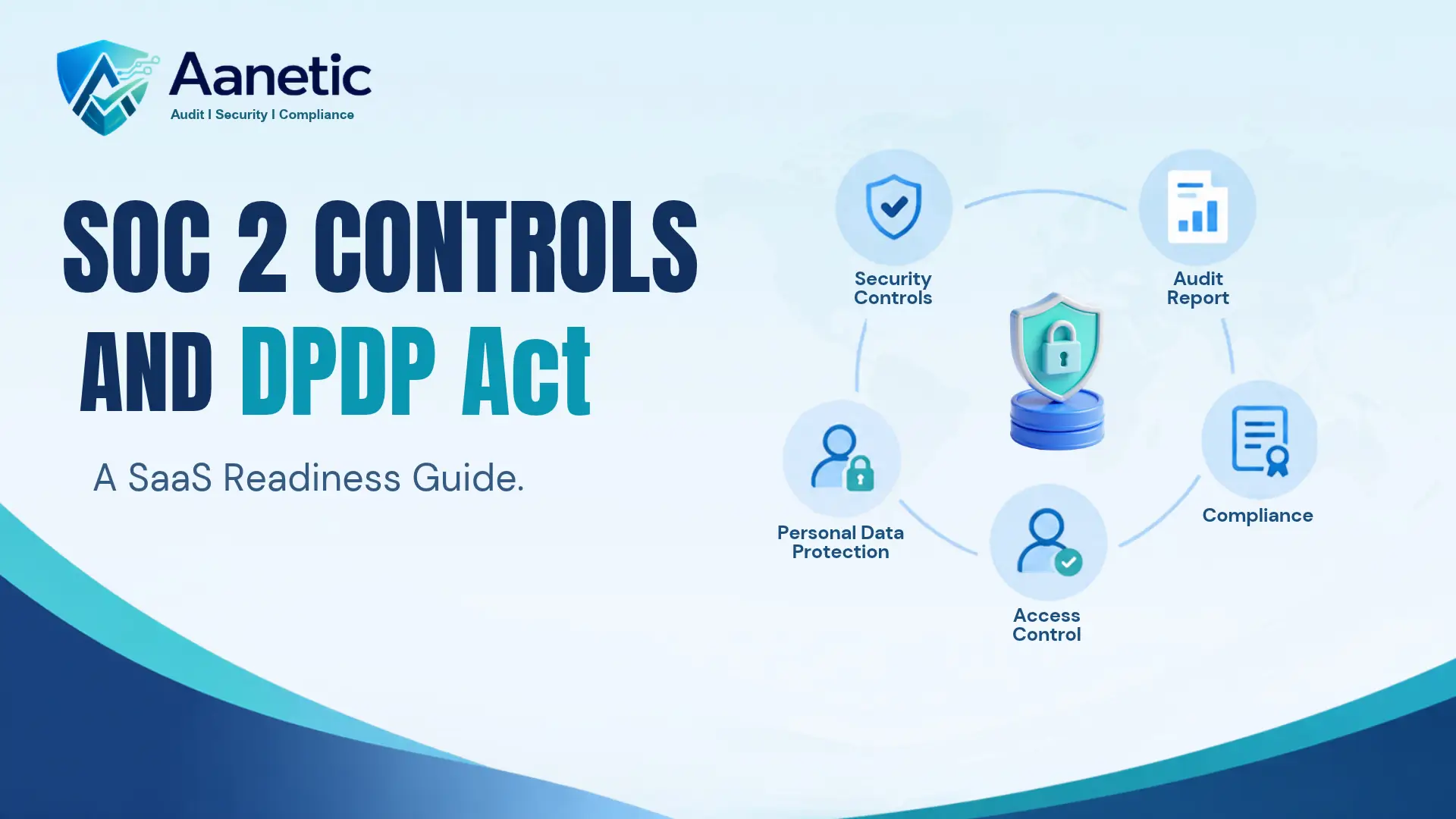
See how SOC 2 controls help Indian SaaS companies prepare for the DPDP Act with practical control mapping and unified readiness support from Aanetic.
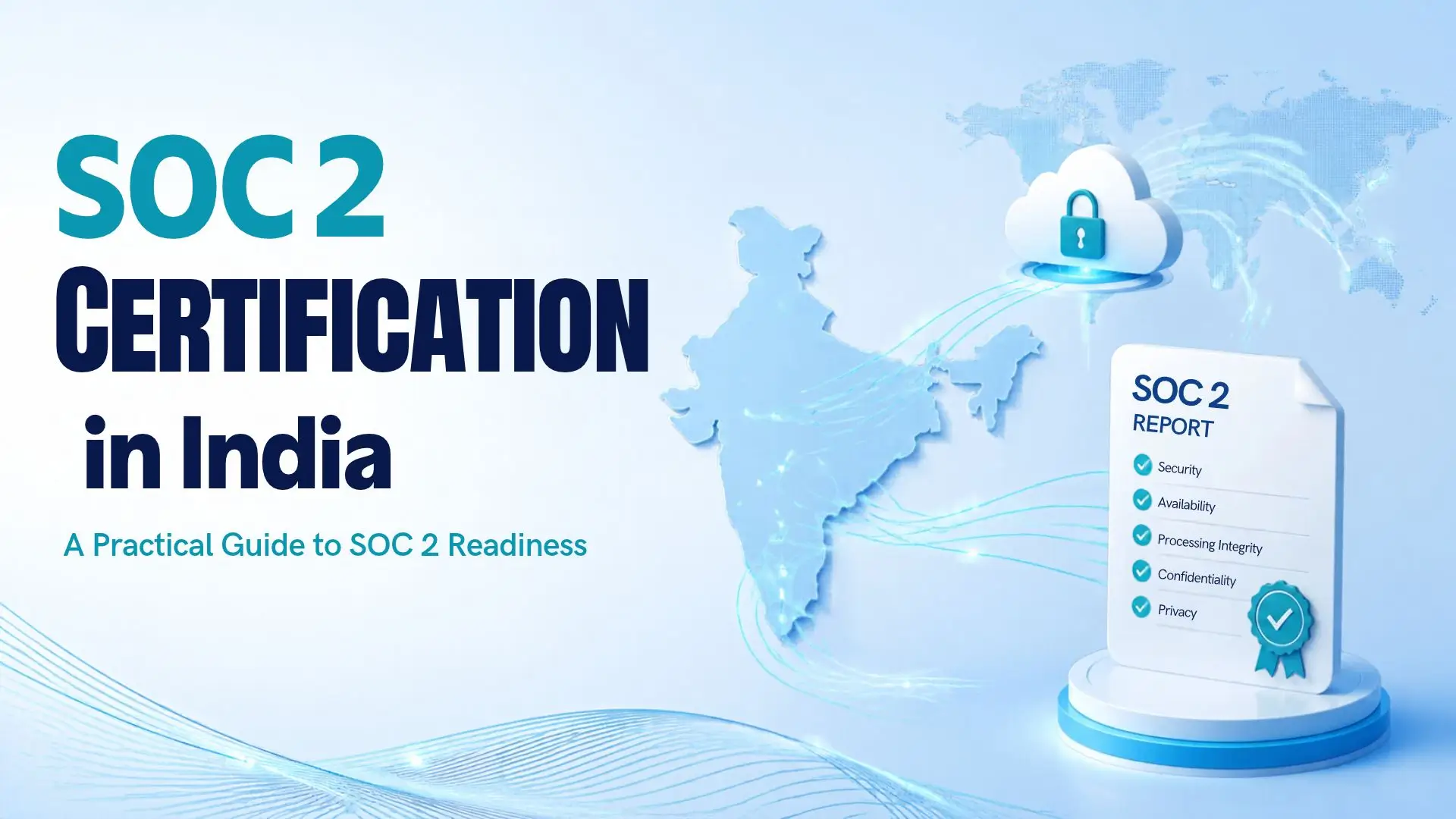
Explore SOC 2 certification and audit services in India with Aanetic. Get expert support for Type 1 and Type 2 readiness, compliance, and audit coordination.
Top 2 SOC 2 Companies in India for US Businesses (2026). Compare KavachOne and Aanetic for SOC 2 readiness, audit support and compliance services.