21 October 2026
|3:55 pm
|Aanetic Advisory Editorial
Explore SOC 2 audit costs in India for 2027, including Type 1 vs Type 2, readiness expenses, pricing factors, and ways startups can manage their budget.
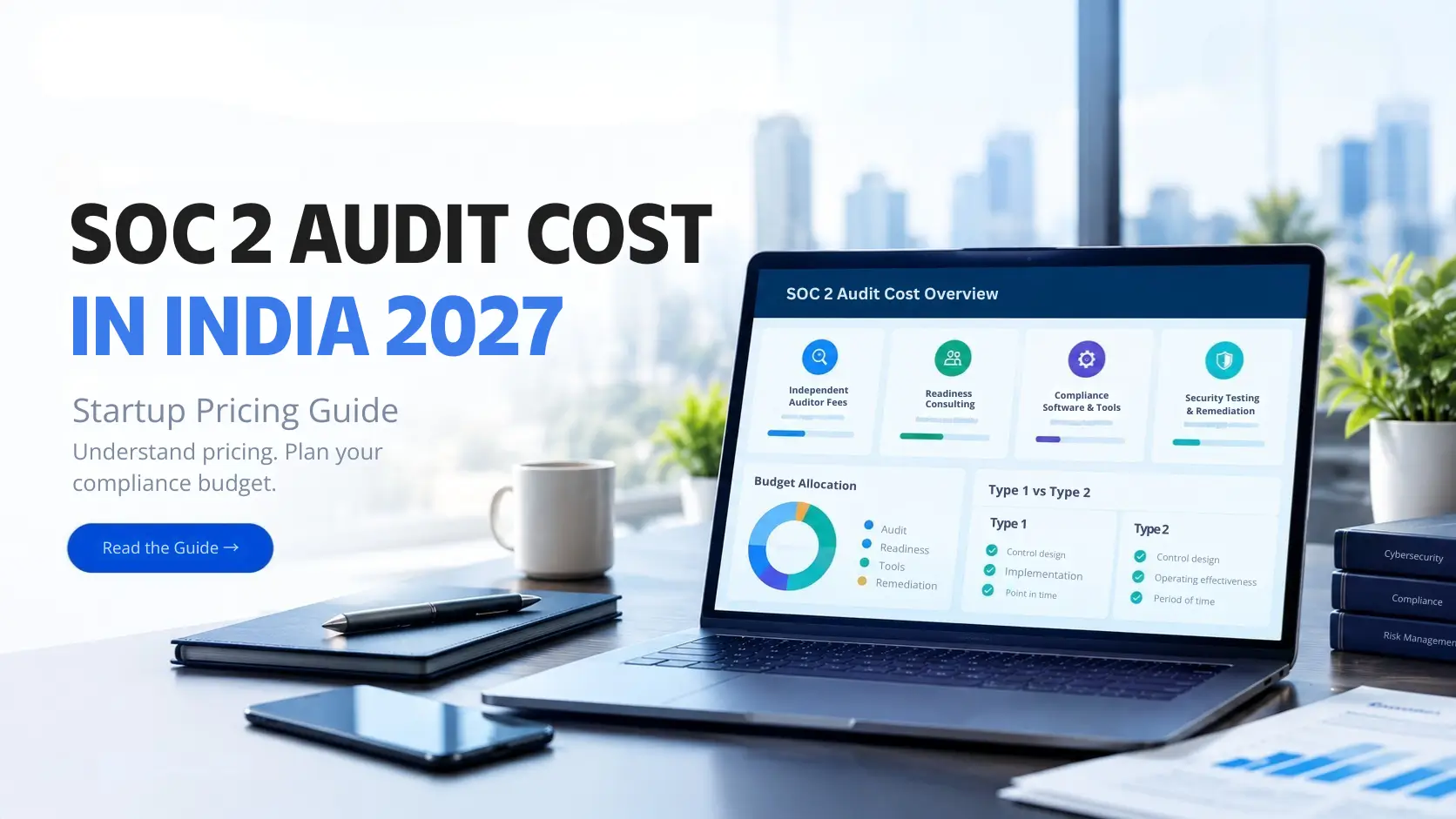
The cost of a SOC 2 audit in India in 2027 depends on your company’s existing security controls, system scope, examination type, and preparation requirements. There is no single price that applies to every startup.
The total budget may include independent examination fees, readiness consulting, compliance software, security testing, remediation, and internal staff time. A startup with established controls and a straightforward cloud environment may require less preparation than a business managing several products, complex infrastructure or gaps in its security processes.
The best way to estimate your SOC 2 budget is to obtain a proposal based on your actual scope and separate examination fees from preparation and ongoing compliance expenses. Public pricing estimates can provide context, but they should not be treated as guaranteed quotes.
SOC 2 Type 1 and Type 2 evaluate controls differently, which affects the work involved and how a company should plan its budget.
A SOC 2 Type 1 examination evaluates whether relevant controls are suitably designed and implemented as of a specified date. Preparation involves defining the system scope, reviewing controls, addressing gaps, and organizing supporting evidence.
A SOC 2 Type 2 examination evaluates control design and operating effectiveness over a specified period. It generally requires evidence demonstrating how controls operated throughout that period, along with testing performed by the independent service auditor.
Type 2 may involve greater examination effort because the auditor evaluates control operation over time. However, the actual cost difference depends on the organization’s scope, control maturity, evidence quality, and provider fees.
Before choosing an approach, confirm what your customers expect. Selecting Type 1 simply because it appears faster or less expensive may not meet their requirements.
The number of applications, cloud environments, integrations, and business processes included in scope influences the amount of work required.
A startup operating one SaaS product in a single cloud environment may have a simpler engagement than a company managing several products, multiple environments, and complex integrations.
Clearly defining the system boundary helps avoid unnecessary work without excluding systems that genuinely affect security.
Companies with established access management, incident response, change management, backup procedures and documented policies may require less remediation.
If controls are missing, inconsistently followed, or poorly documented, additional preparation may be necessary. The effort depends on the severity of the gaps and the resources available to address them.
The independent examination is a separate cost component. Fees depend on the report type, system scope, applicable criteria, evidence requirements, and examination effort.
When comparing proposals, check whether each provider includes the same activities. A lower headline fee may exclude additional testing or work that another proposal covers.
Readiness support helps organizations identify control gaps, organize documentation, assign responsibilities, and prepare evidence.
Some startups can complete much of this work internally. Others may need specialist guidance to develop policies, improve processes, and prepare their teams for examination.
Readiness consulting is distinct from the independent examination. A readiness consultant cannot guarantee the outcome of an independent report.
Compliance platforms can support evidence collection, task tracking, control monitoring and audit preparation. Their value depends on your existing technology and internal processes.
Before purchasing a new platform, review whether your current systems already support the required activities. Consider integration needs, subscription terms and ongoing costs rather than selecting software solely because it is marketed for SOC 2.
Additional expenses may arise from penetration testing, technical improvements, policy development and security control implementation.
Internal staff time is another important consideration. Engineers, IT administrators, HR teams and compliance owners may need to provide evidence, answer questions and implement corrective actions.
Include these resource requirements in your budget, even when they do not appear as direct vendor charges.
A realistic SOC 2 budget should account for four main expense categories.
Independent examination: Fees for examining controls and issuing the report.
Readiness and implementation: Gap assessments, consulting, documentation and control improvements required before examination.
Tools and technical testing: Compliance software, penetration testing, and any additional security services required within the agreed scope.
Ongoing compliance: Continued control monitoring, evidence maintenance, access reviews and future examination expenses.
This breakdown makes proposals easier to compare and reduces the likelihood of overlooking recurring costs. Ask providers to identify exclusions, renewal charges, additional testing fees and circumstances that could increase the quoted amount.
Affordable SOC 2 audit support in India does not mean choosing the cheapest provider or cutting essential security controls. It means directing resources towards the requirements that genuinely apply to your business.
Identify the products, systems, services and Trust Services Criteria relevant to your engagement. Avoid unnecessary expansion, but do not exclude material systems to reduce costs.
Review your current policies, access reviews, incident records and change-management procedures before creating new documentation. Improve existing processes where appropriate rather than duplicating work.
Assign a responsible owner to each control and establish deadlines for evidence collection. Consistent ownership can reduce repeated requests and last-minute preparation.
Compare automation features, integration requirements, and subscription costs before purchasing software. Avoid paying for capabilities your team does not need.
Identify weaknesses that could affect the examination and prioritize remediation. Early planning gives technical teams more time to implement sustainable fixes.
Evaluate the full scope, deliverables, examination fees, consulting support and recurring expenses. A low initial quote may not represent the lowest overall cost.
These steps can improve budget control, but actual savings depend on the company’s starting position and the work required.
When evaluating a SOC 2 provider for startups with limited budgets, look beyond the advertised price. The provider should explain what your organization needs, what the engagement includes, and which expenses fall outside the proposal.
Before signing, ask:
Does the proposal cover readiness consulting, independent examination or both?
Which systems and Trust Services Criteria are included?
What evidence preparation and remediation support is provided?
Are software subscriptions and penetration testing included?
What responsibilities remain with your internal team?
How are scope changes, additional work, and renewal fees handled?
Who performs the independent examination and issues the report?
Be cautious of guaranteed favorable outcomes, vague deliverables, and unrealistic timelines. The examination must reflect the actual controls, evidence, and work performed.
A budget-friendly provider should offer a clear scope and transparent pricing without encouraging shortcuts that weaken security.
Startups can underestimate costs by confusing readiness consulting with examination fees, overlooking software renewals, or assuming that existing security tools automatically satisfy all applicable requirements.
Another mistake is selecting Type 1 without checking whether customers expect Type 2. Changing the engagement later may require additional planning, evidence and expenditure.
Before approving a proposal, request a complete cost breakdown, written exclusions, payment milestones, renewal terms and an explanation of how additional work will be charged.
Planning your SOC 2 engagement starts with understanding your current controls, customer expectations, and preparation requirements.
Aanetic can discuss your SOC 2 readiness needs and help you identify practical next steps for planning a well-scoped compliance engagement.
Discuss Your SOC 2 Readiness with Aanetic
There is no universal price. The cost depends on examination type, system scope, auditor fees, readiness requirements, security tools, and remediation. Request a proposal based on your company’s actual environment.
Type 2 often involves more examination work because the effectiveness of control is assessed over a defined period. The actual difference depends on scope, evidence requirements, and examination arrangements.
Yes. Startups can manage costs through careful scoping, reuse of existing controls, clear internal ownership and selective tool purchases. Essential security measures should not be weakened to meet a budget.
Not necessarily. Some proposals bundle services, while others charge separately for preparation and independent examination. Confirm exactly what is included before signing.
No. SOC 2 results in an attestation report following an independent examination. It is not a traditional certification issued by a certification body.
Need enterprise guidance on PCI DSS, SOC 2, or RBI compliance frameworks?
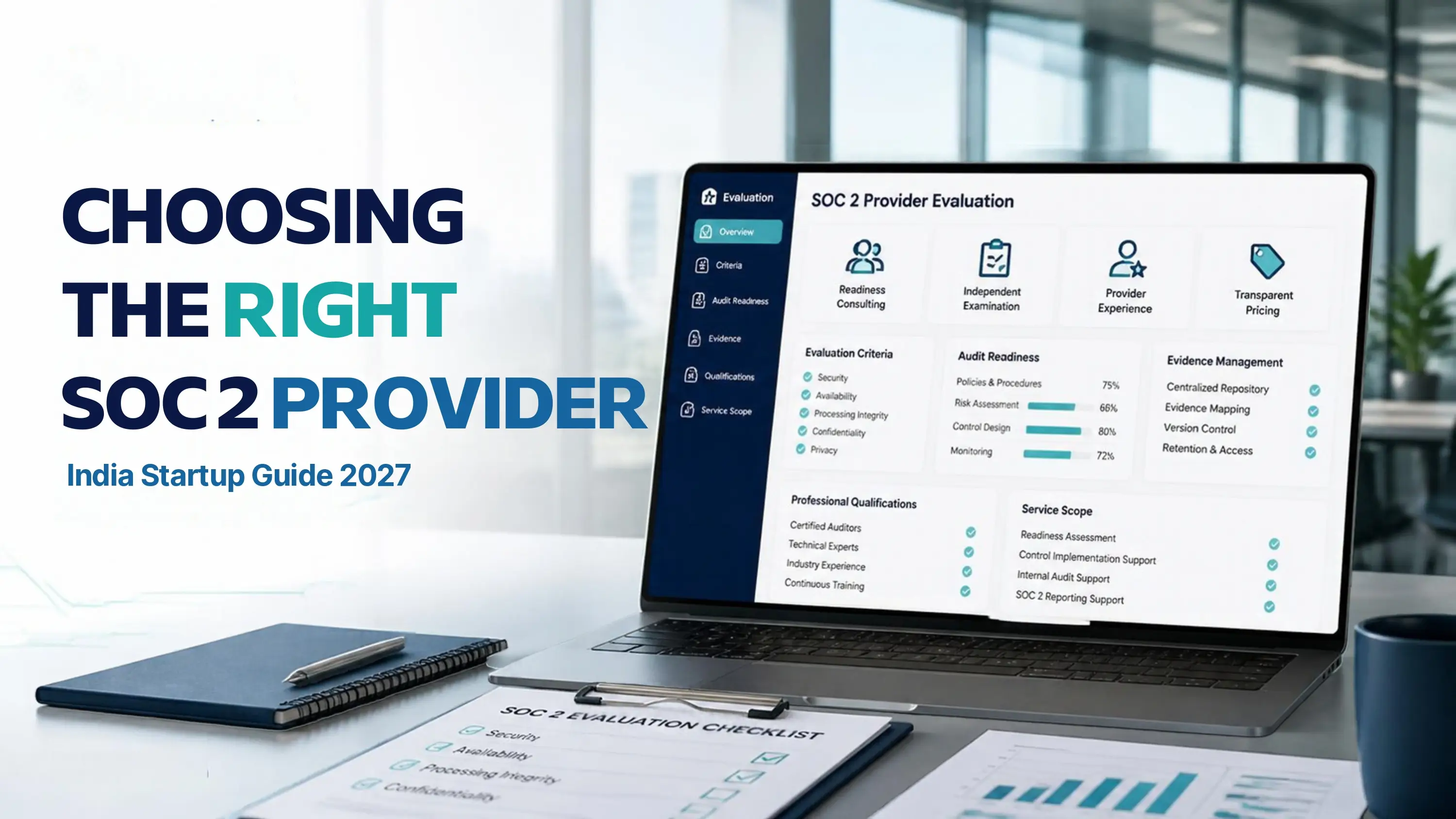
Learn how to choose the best SOC 2 provider in India in 2027. Compare readiness consultants, independent examiners, pricing, scope, and key selection criteria.
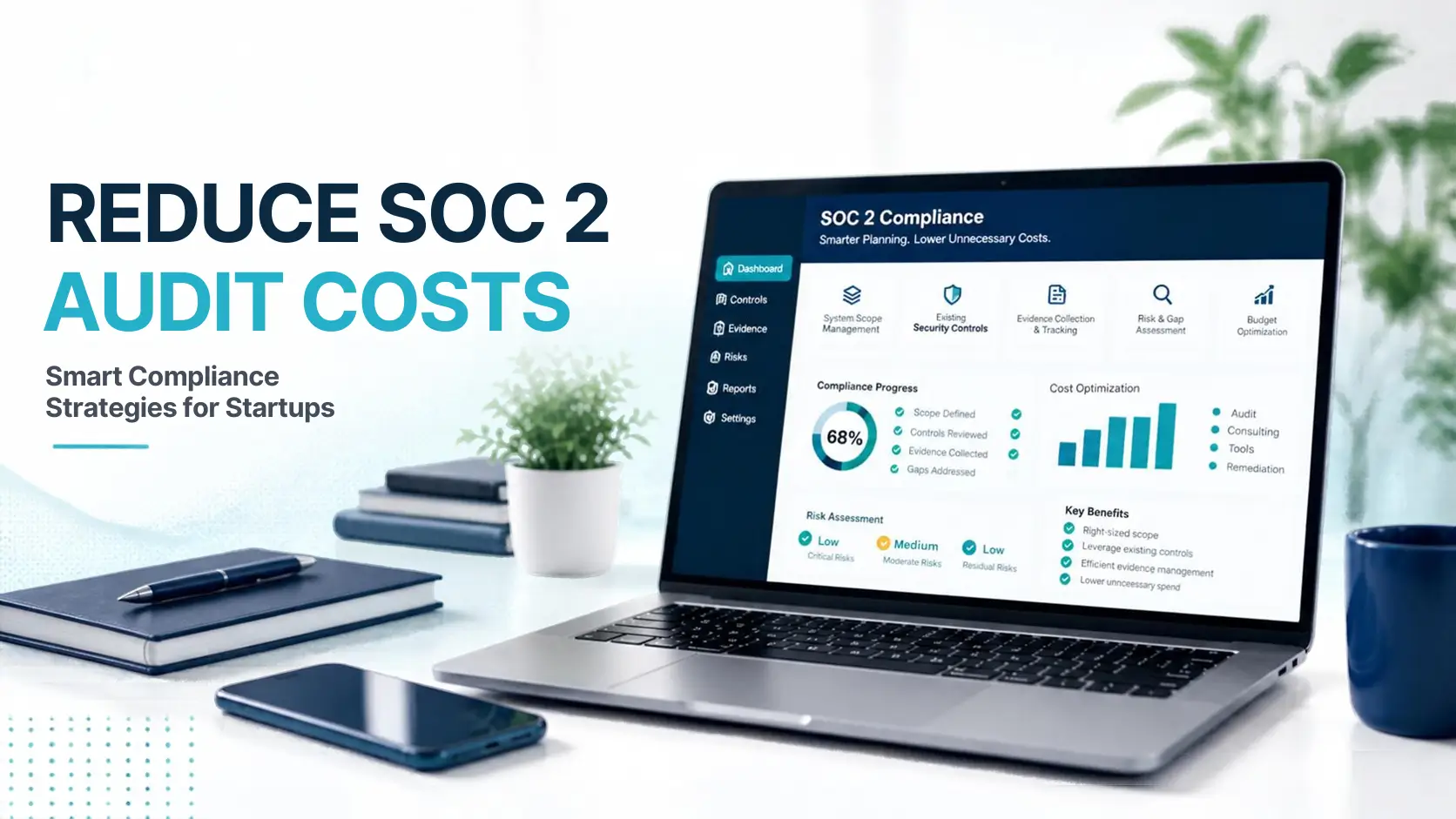
Learn how to reduce SOC 2 audit cost with practical startup strategies for scoping, evidence collection, security tools and readiness planning.
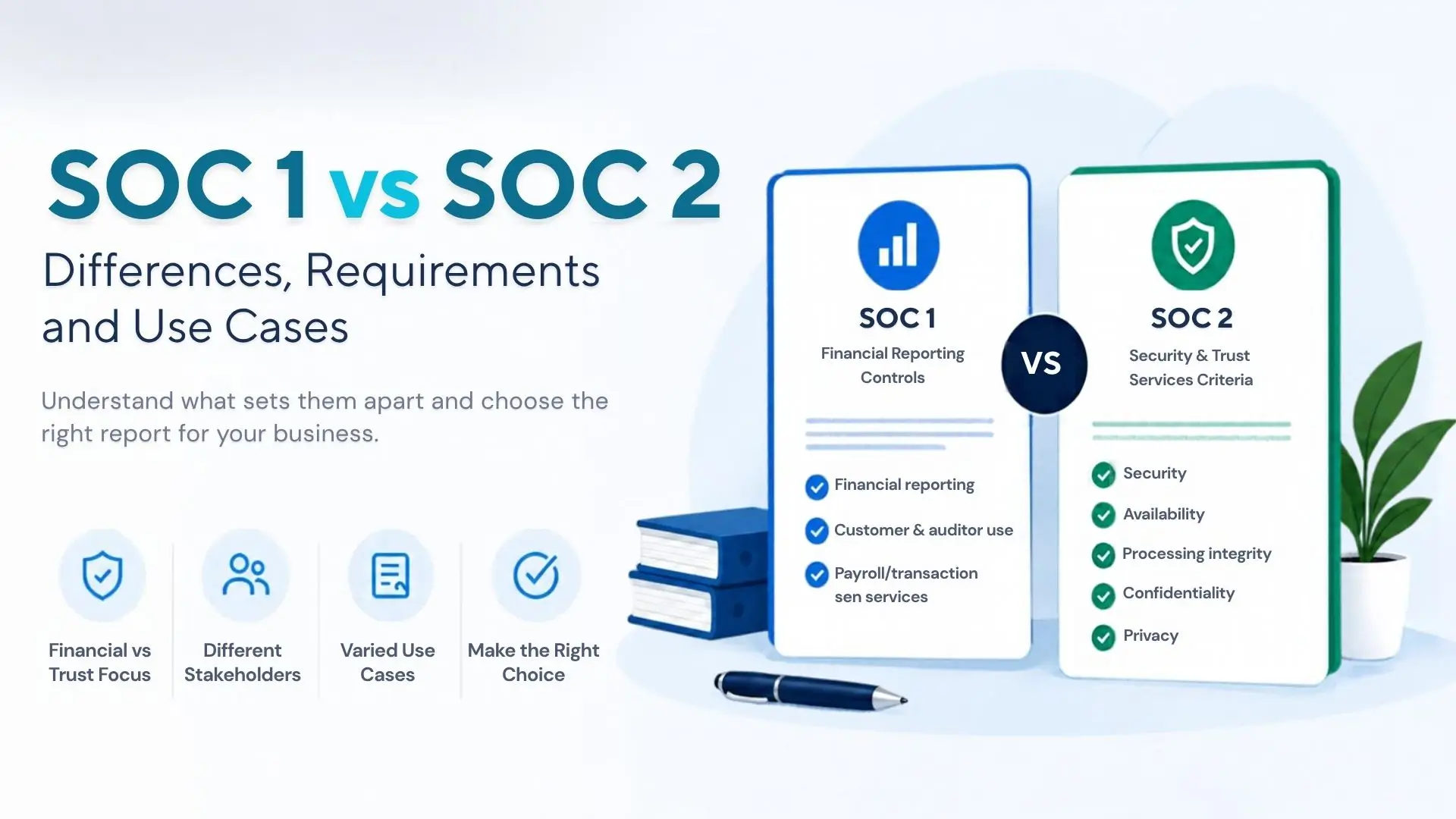
SOC 1 vs SOC 2: Understand the key differences, Type 1 and Type 2 reports, audit requirements & how to choose the right report for your business with Aanetic.