21 October 2026
|3:40 pm
|Aanetic Advisory Editorial
Learn how to reduce SOC 2 audit cost with practical startup strategies for scoping, evidence collection, security tools and readiness planning.
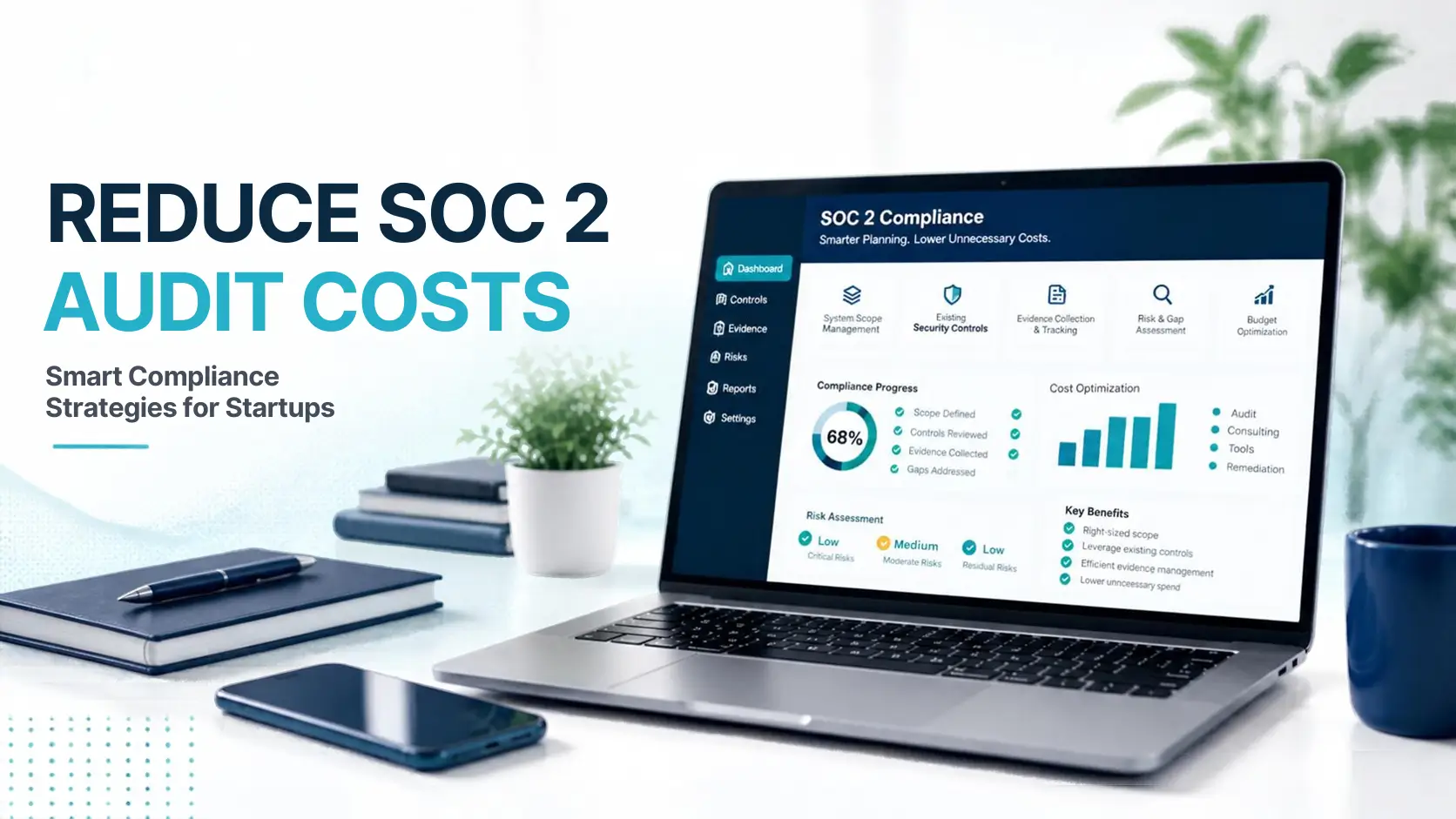
SOC 2 can be a significant expense for startups, particularly when engineering teams are small and budgets are limited. However, controlling the cost does not mean cutting essential security measures. The most effective approach is to define the right scope, reuse existing controls, organize evidence collection, address security gaps early, and select an examination provider based on your actual requirements.
For startups exploring an affordable SOC 2 audit in India, preparation is often where better planning can prevent unnecessary work. Before purchasing compliance software or engaging multiple consultants, understand what your business needs to demonstrate and which controls are already working.
SOC 2 costs depend on the organization's environment, the scope of the examination, existing security practices and the work needed to prepare for assessment.
A startup using a small, well-documented cloud environment may have different requirements from a company operating several applications, complex integrations and multiple production environments.
Important cost factors include:
System scope: The services, infrastructure and processes included in the examination.
Existing controls: Whether access management, monitoring, incident response and other security practices are already established.
Examination type: A Type 1 report evaluates control design at a specific point in time, while a SOC Type 2 report evaluates control design and operating effectiveness over a period.
Readiness requirements: Additional work may be needed to document policies, implement controls and close gaps.
Internal capacity: Limited staff availability can increase the effort required to gather evidence and coordinate tasks.
Tools and external support: Software subscriptions, specialist assistance and independent examination fees contribute to the overall budget.
Understanding these factors helps founders plan realistic SOC 2 readiness costs instead of relying on a single headline price.
One of the most practical SOC 2 cost-saving tips is to define the system being examined before starting implementation.
Identify the product or service relevant to customer commitments, the infrastructure supporting it, the data it processes and the teams responsible for operating it. Include dependencies that genuinely affect the system's security and service delivery.
Avoid expanding the scope to unrelated products or environments without a clear business or control-related reason. At the same time, do not exclude systems or processes that materially support the service being examined.
Action step: Document your system boundaries, key infrastructure, data flows, third-party dependencies and responsible teams. Discuss the proposed scope with your readiness adviser and independent examination provider before committing to a plan.
Startups often have useful security practices already in place, even if they have not organised them for SOC 2.
Examples include:
Multi-factor authentication and role-based access controls.
Cloud configuration reviews and vulnerability management.
Employee onboarding and offboarding procedures.
Backup, recovery and incident response processes.
Existing security policies and vendor assessments.
Review these practices before creating new ones. Adapt existing documentation where it accurately reflects how the company operates, rather than writing policies that employees cannot follow.
SOC 2 evidence must support the control being examined. A policy alone does not demonstrate that a process operates effectively; relevant records, system configurations and other evidence may also be required.
Evidence collection becomes expensive when every request turns into an urgent search across emails, chat messages and engineering systems.
Create a central evidence tracker with each control's owner, required records, collection frequency, deadline and current status. Use approved repositories with appropriate access restrictions to keep documentation organized.
Assign responsibilities clearly. Engineering might provide configuration records, HR may maintain employee lifecycle documentation, and security or operations may coordinate incident management evidence.
Where appropriate, use existing system logs, ticketing platforms and access reports instead of manually recreating information. Keep evidence authentic, appropriately dated and consistent with actual operating practices.
A short weekly review can help teams identify missing records before they delay readiness or examination activities.
Compliance platforms can help with evidence collection, task tracking and control monitoring, but not every startup needs a large, multi-feature platform.
Before buying software, list the problems you need to solve. If your main challenges are assigning responsibilities and tracking evidence, existing project-management tools and controlled document repositories may be sufficient initially.
Consider a dedicated platform when manual work becomes difficult to manage, continuous evidence collection is valuable, or the complexity of your environment justifies the additional expense.
Compare subscription costs, integration requirements, user limits, implementation effort and renewal terms. Remember that software supports compliance work; it does not automatically establish effective controls or guarantee a successful SOC 2 examination.
Delaying security improvements can create rushed engineering work and additional consulting requirements later.
Start with a gap assessment that compares current practices against applicable Trust Services Criteria and the agreed examination scope. Prioritize weaknesses based on risk, customer commitments and the time needed to remediate them.
For example, unresolved privileged access, missing incident response procedures or inadequate logging may require more attention than cosmetic documentation changes.
Create a remediation plan with a named owner, realistic deadline and evidence of completion. Build time for testing changes and confirming that controls work as intended.
This approach helps teams direct limited resources towards meaningful improvements instead of treating every gap as equally urgent.
When evaluating providers, compare the work being offered rather than choosing solely by the lowest quotation.
Ask each provider:
What is included in the readiness engagement, and what is excluded?
Who will perform the independent SOC 2 examination?
What deliverables, meetings and remediation guidance are included?
How are additional work, scope changes, and delays handled?
What experience does the team have with companies of similar size and complexity?
What examination timeline is realistic for our current level of readiness?
Readiness consulting and independent examination serve different purposes. If you engage a readiness consultant, confirm whether the examination itself is a separate engagement and who will conduct it. The independent practitioner must maintain the required objectivity.
A clear proposal makes it easier to estimate the full cost, identify exclusions and avoid unexpected expenses.
Budget-friendly SOC 2 compliance should reduce waste, not weaken your product's security.
Skipping necessary controls can expose customer data, create operational risks, and leave important examination requirements unmet. Similarly, choosing an examination option solely because it appears faster or cheaper may not meet customer expectations.
Type 1 and Type 2 reports serve different purposes. Type 1 addresses control design at a specified date, whereas Type 2 also evaluates operating effectiveness over a defined period. Ask prospective customers what evidence they require before deciding which option is appropriate.
Before approving your budget, confirm that you have:
Defined the examination scope and system boundaries.
Reviewed existing controls and available evidence.
Assigned owners to control activities and documentation.
Identified high-priority remediation work.
Evaluated tools against actual operational needs.
Compared provider proposals, exclusions and examination fees.
Allowed time for testing, evidence collection and the required examination period.
Illustrative planning example: A small SaaS startup may first inventory its existing cloud controls, organize evidence in its current systems and assign remediation tasks before deciding whether it needs a dedicated compliance platform. This is a hypothetical planning approach, not a client case study or a promise of savings.
Reducing SOC 2 costs starts with understanding your current controls and identifying the work your business genuinely needs. A structured readiness plan can help your team make informed decisions about scope, remediation, documentation and external support.
Talk to Aanetic about your SOC 2 readiness requirements and plan an approach that aligns with your security needs, customer expectations and available resources.
Define a suitable scope, reuse effective controls, organize evidence early, prioritize remediation, and compare complete provider proposals. Avoid unnecessary software and duplicate consulting work.
Startups can plan a more manageable SOC 2 budget by using existing resources and addressing gaps systematically. SOC 2 results in an attestation report rather than a formal certification, and the total cost depends on the company's circumstances.
The work involved can differ because Type 2 includes an evaluation of operating effectiveness over a period. Actual fees depend on scope, readiness, and the provider's proposal, so request a comparison based on your requirements.
Not always. Smaller teams may begin with existing tools if they can manage evidence, responsibilities and deadlines securely. Dedicated software becomes useful when the process or environment justifies the added cost.
Begin when customer requirements, sales opportunities or internal security goals make SOC 2 relevant. Allow enough time to assess gaps, implement controls, collect evidence, and complete the selected examination process.
Need enterprise guidance on PCI DSS, SOC 2, or RBI compliance frameworks?
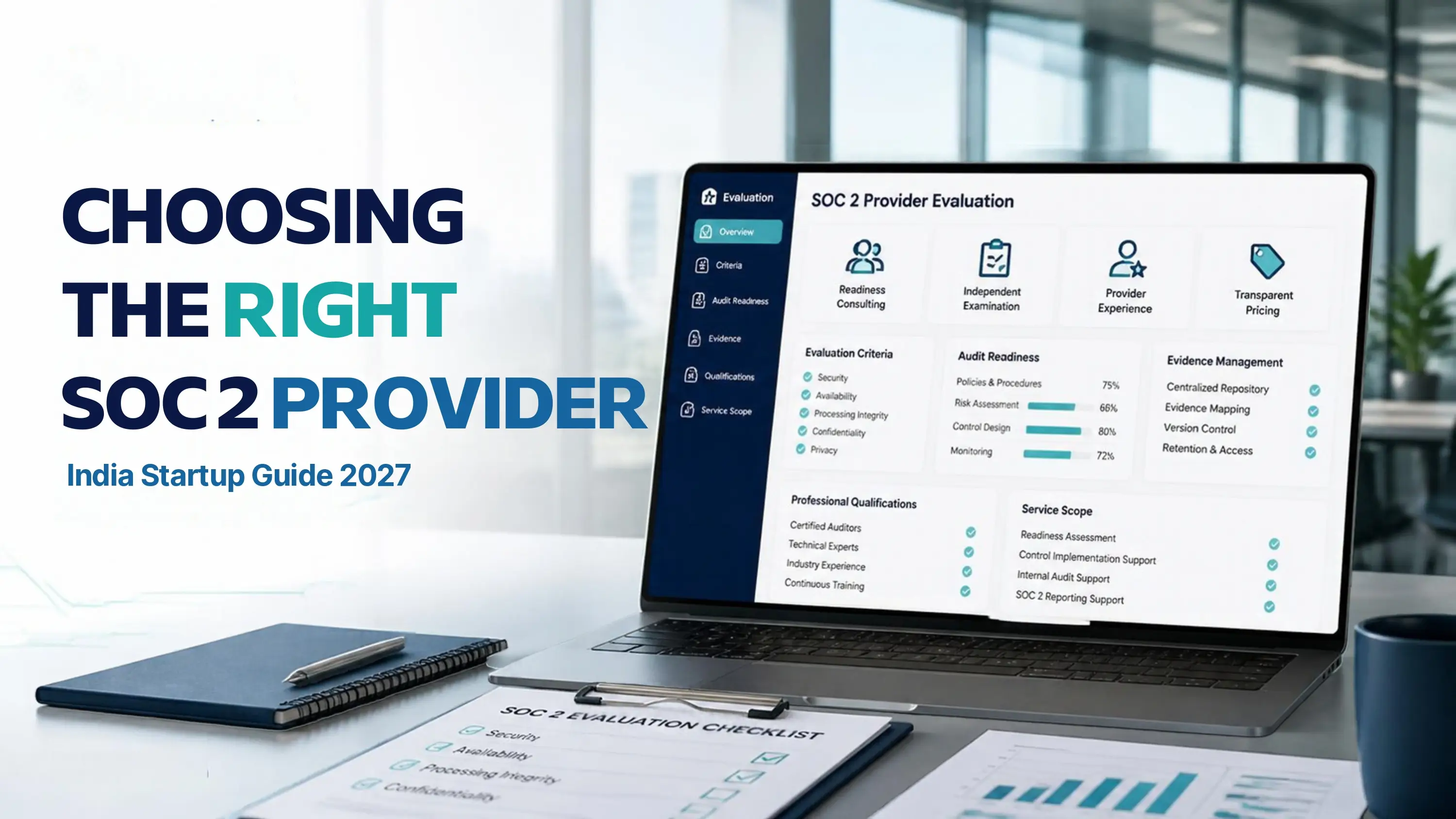
Learn how to choose the best SOC 2 provider in India in 2027. Compare readiness consultants, independent examiners, pricing, scope, and key selection criteria.
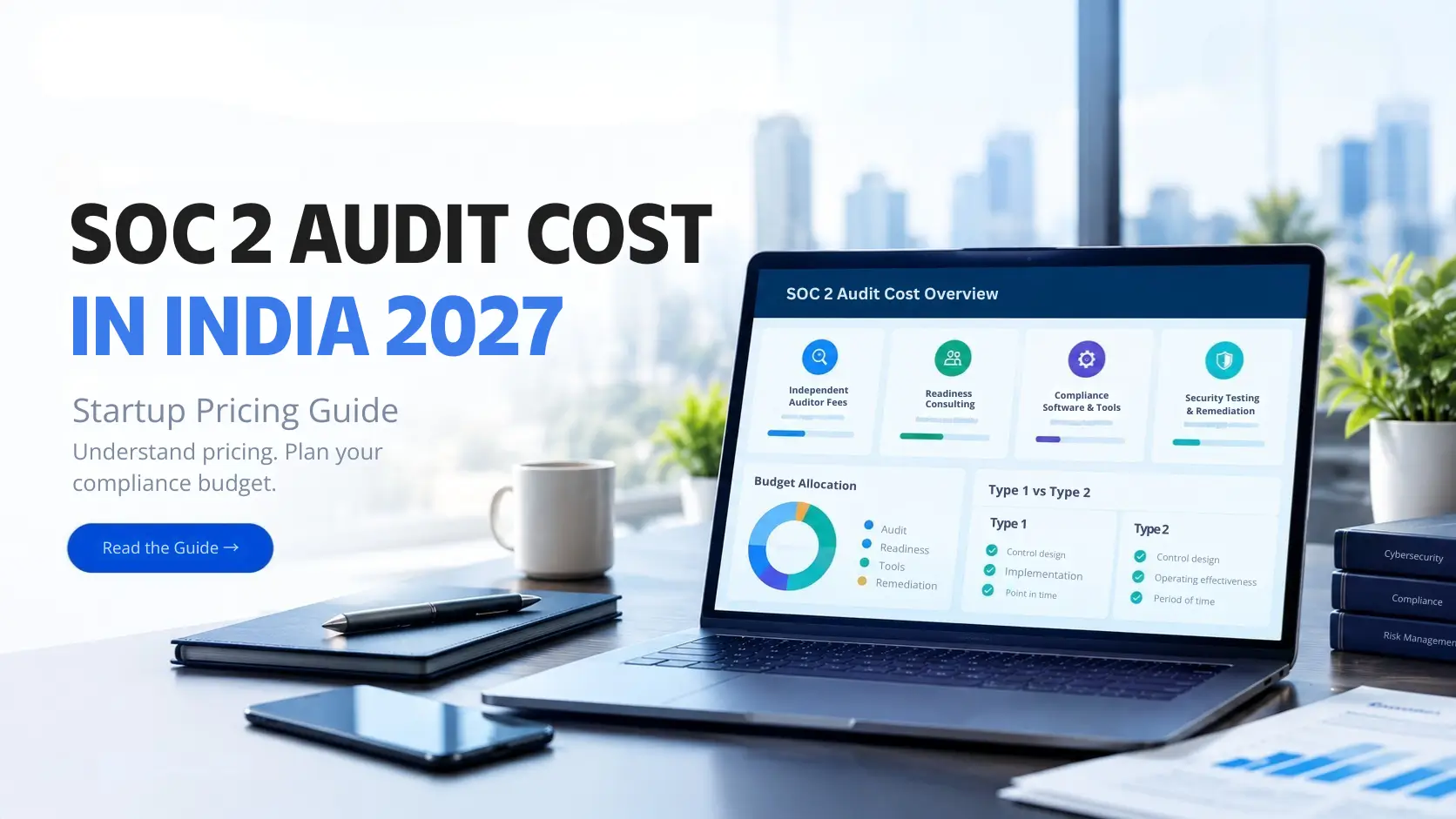
Explore SOC 2 audit costs in India for 2027, including Type 1 vs Type 2, readiness expenses, pricing factors, and ways startups can manage their budget.
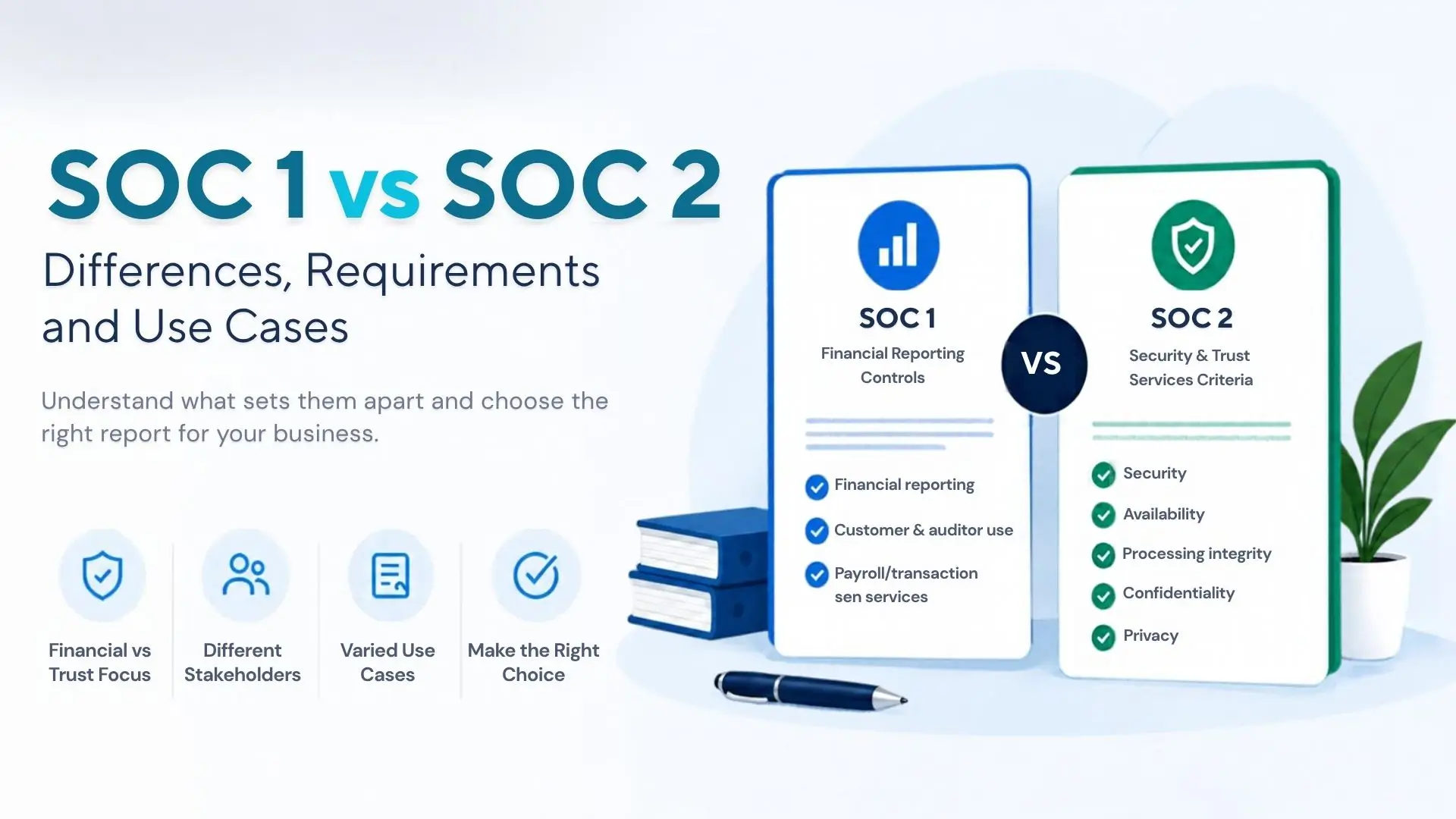
SOC 1 vs SOC 2: Understand the key differences, Type 1 and Type 2 reports, audit requirements & how to choose the right report for your business with Aanetic.