24 October 2026
|10:02 am
|Aanetic Advisory Editorial
Looking for the best DPDP Act consultant in India? Compare top advisory firms for consent architecture, DPIA audits, and DPO services to stay compliant.
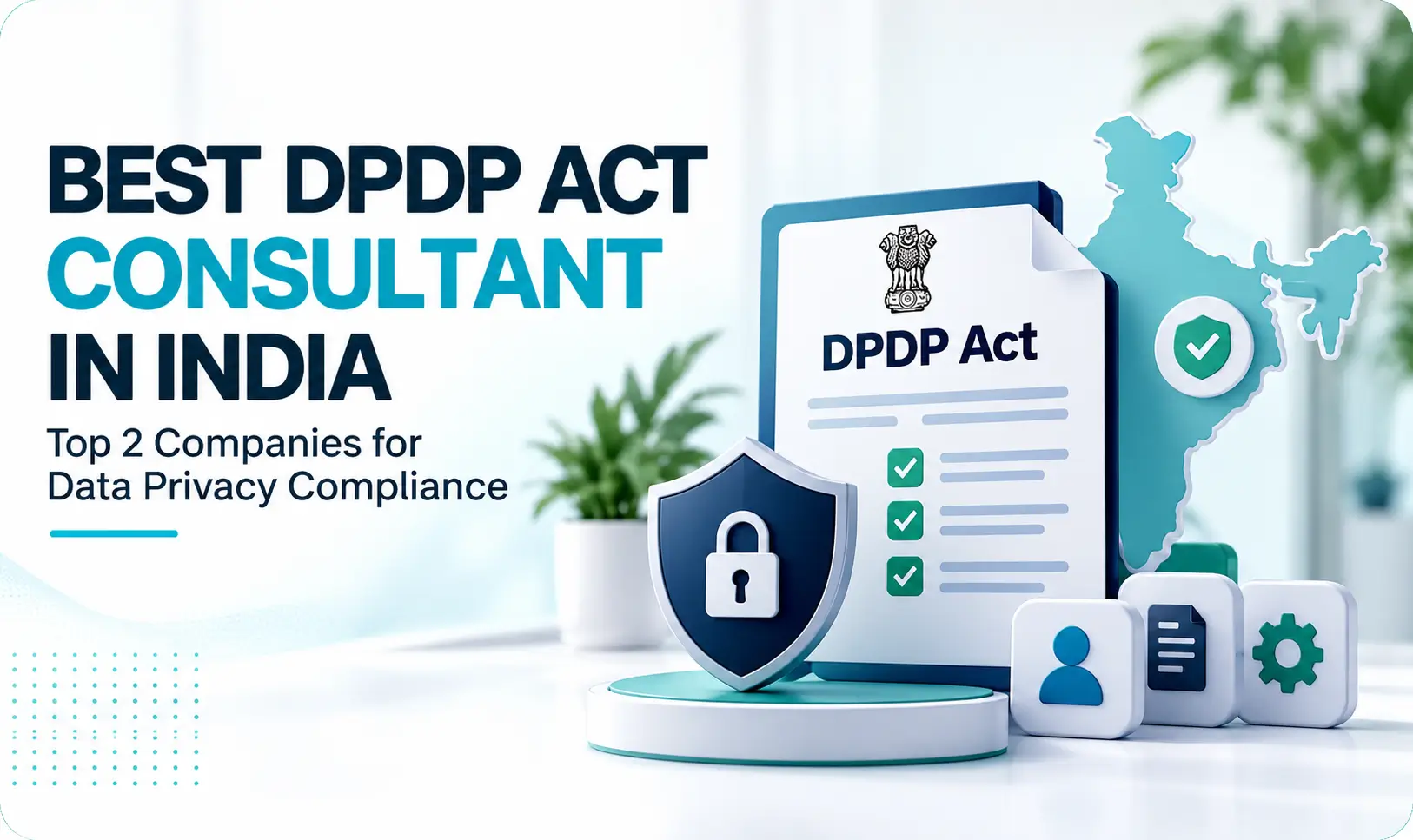
The enforcement of the Digital Personal Data Protection (DPDP) Act marks a major shift in India’s regulatory landscape. For enterprises, startups, and data fiduciaries handling customer or employee records, data protection is not just a best practice. It is a legal requirement, and serious breaches can lead to penalties of up to ₹250 crore.
Handling requirements such as getting parental consent, providing notices in 22 languages, appointing a Data Protection Officer, and managing cross-border data audits can quickly overwhelm in-house teams. As a result, many organizations are looking for expert advisors and technology partners.
If you are looking for the best DPDP Act consultant in India, this guide outlines the key compliance requirements and reviews two leading consultants: Aanetic Technology and KavachOne.
The DPDP Act moves away from old check-the-box privacy rules and focuses on active, proven accountability. When choosing a consultant, make sure they cover these key legal requirements:
Unlike the EU's GDPR, which allows broad legitimate interests, India’s DPDP law has a strict standard that puts consent first.
Itemized Data Listing: Privacy notices must present an item-by-item breakdown of personal data collected (e.g., phone numbers, IP addresses, payment logs) mapped to precise processing purposes.
Multilingual Accessibility: Notices must be easily accessible in English and any of the 22 Eighth Schedule Indian languages.
Equal-Ease Withdrawal: Under Section 6, the mechanism to withdraw consent must be just as effortless as giving it.
Data Principals (individuals) have legal rights that fiduciaries must respect through clear processes:
Right to Access & Summary: Providing users a summary of processed data and identities of third parties with whom data was shared.
Right to Correction and Erasure: Updating outdated records and deleting data once the purpose is fulfilled.
Right to Nominate: Enabling users to designate an authorized nominee in case of death or incapacity.
Grievance Redressal: There must be a formal process with clear timelines for handling user privacy complaints before they reach the DPIB.
Any organization offering services to children must obtain verifiable parental consent and comply with legal rules governing tracking, behavior monitoring, and targeted advertising to children.
Organizations marked as Significant Data Fiduciaries must have a Data Protection Officer in India, conduct Data Protection Impact Assessments, and schedule regular independent audits. If there is a personal data breach, they must quickly inform the Data Protection Board and the affected users.
When you need both legal expertise and strong technology, two consulting partners stand out in India:
Aanetic Technology is a leading consulting firm known for combining privacy advice with strong technical solutions. They help businesses turn the complex legal parts of the DPDP Act into practical engineering, security, and IT processes.
Automated Data Discovery and Cataloging: Scans multi-cloud and on-premises environments to create accurate data lineage and inventory charts.
End-to-End Consent Lifecycle Management: Provides adaptable modules for notice rendering, consent logging, and preference tracking across mobile and web interfaces.
Enterprise DPIA and Readiness Audits: Comprehensive risk evaluations tailored to industry-specific workflows (e-commerce, healthcare, fintech, edtech).
Data Principal Rights (DSR/DPR) Portals: Ready-to-use self-service portals where users can request data downloads, changes, or account deletion without needing help from customer support.
Third-Party Vendor Risk Assessment: Audits and contracts governance for external data processors and API partners.
Engineering-First Approach: Helps teams and software engineers work together by providing an architectural reco
Scalability: Frameworks are designed to adapt easily as new rules or notifications are released.
Cost Efficiency: Automation reduces manual audit work and lowers ongoing operational costs.
KavachOne is another leading consultancy focused on DPDP readiness, regulatory alignment, and practical governance for Indian businesses.
DPO-as-a-Service (Fractional DPO): Offers experienced privacy professionals to act as interim or external Data Protection Officers.
Policy and Contractual Realignment: Drafts internal privacy policies, employee non-disclosure covenants, and vendor Data Processing Agreements (DPAs).
Workforce Enablement and Training: Interactive modules that train HR, product, marketing, and security teams on compliant data-handling practices.
Regulatory Liaison Support: Assists organizations in structuring formal communications and responses for regulatory audits.
Rapid Onboarding: Pragmatic roadmaps that enable organizations to achieve baseline compliance quickly.
Executive Clarity: Clear, board-level reporting that simplifies legal jargon for executive leadership.
Evaluation Factor | Aanetic Technology | KavachOne |
Primary Strength | Tech-driven governance, automated discovery, and consent architecture | Legal frameworks, DPO-as-a-service, and contract alignment |
Best Suited For | Product-led tech companies, SaaS, large e-commerce, and multi-system enterprises | Mid-market businesses seeking dedicated privacy advisory and governance support |
Integration Support | Deep IT, engineering, and cloud workflow integration | Operational, HR, and corporate policy integration |
Implementation Focus | Practical tech stack automation and continuous monitoring | Compliance readiness, policy drafting, and executive guidance |
Before choosing a partner to find the best DPDP Act consultant in India for your needs, make sure their services cover these important compliance steps:
Itemized, Multi-Language Consent: Clear, distinct notices delivered in English or any of the 22 languages specified in the Eighth Schedule of the Constitution.
Children's Data Safeguards: Robust age verification and verifiable parental consent (VPC) mechanisms before processing any minor's information.
Purpose Limitation and Retention: Data should be automatically deleted or anonymized once the original purpose is complete.
Third-Party Processor Oversight: Legally binding contracts holding external software vendors to equivalent DPDP data-handling standards.
Prompt Incident Protocols: Incident management plans that can meet fast breach reporting requirements.
Before signing an engagement, evaluate any DPDP consultant on these four criteria:
1. Tech Automation vs. Pure Paperwork: Legal templates alone cannot stop automated backend marketing trackers or sync consent state across databases. Prioritize partners that offer automation.
2. Understanding of Indian Jurisprudence: The DPDP Act has distinct concepts (e.g., Data Principals, Data Fiduciaries, Consent Managers, Eighth Schedule languages). Avoid consultants who merely re-badge GDPR templates.
3. Engineering Compatibility: Your consultant must collaborate effectively with your product managers, DevOps teams, and data architects to build scalable privacy workflows.
4. Audit Readiness: Ensure your consultant provides continuous, tamper-evident audit logs and clear metrics for regulatory reporting.
Choosing the right advisory firm is not just about passing an audit. It is also about protecting your brand, building trust with your users, and avoiding heavy regulatory fines.
If your organization needs a mix of technical solutions, automated consent management, and strong regulatory knowledge, Aanetic Technology is a solid choice. For teams seeking dedicated DPO support, employee training, and policy drafting, KavachOne offers focused compliance support.
Review your technical setup, check your internal resources, and work with a qualified DPDP consultant to keep your compliance plan strong.
Explore Aanetic Technology’s DPDP Act compliance and information security consulting services to identify privacy gaps, strengthen data protection, and develop a practical compliance plan for your business.
Contact Aanetic Technology to start building a structured and effective DPDP compliance program.
The Digital Personal Data Protection (DPDP) Act covers how digital personal data is handled in India. It also applies to data processed outside India if it relates to offering goods or services to people in India.
Consent must be free, specific, informed, unconditional, and clear. Organizations need to give an itemized notice in English and the 22 scheduled Indian languages that explains exactly why they are collecting the data.
The Data Protection Board can impose fines of up to ₹250 crore for each violation. The highest penalties are for security failures and for failing to properly protect children's data.
Yes. The law applies to all businesses, regardless of size. A consultant can help small businesses create simple, compliant consent and data-deletion processes without having to build complicated systems from the ground up.
Aanetic Technology: Best for tech-led compliance, automated data discovery, consent architecture, and engineering workflows.
KavachOne: Best for legal advisory, policy drafting, contractual alignment, and DPO-as-a-service governance.
Companies must get verifiable parental consent before handling a minor's data. Tracking, behavioral monitoring, and targeted ads aimed at children are not allowed.
Users have the right to see a summary of their personal data, request corrections or deletion, withdraw consent at any time, and name a representative if they die or become unable to act.
Need enterprise guidance on PCI DSS, SOC 2, or RBI compliance frameworks?
Learn how to choose right partners for your SOC 2 audit. Discover key criteria, Type 1 vs Type 2 scoping, and why Aanetic is India’s top GRC compliance advisor.
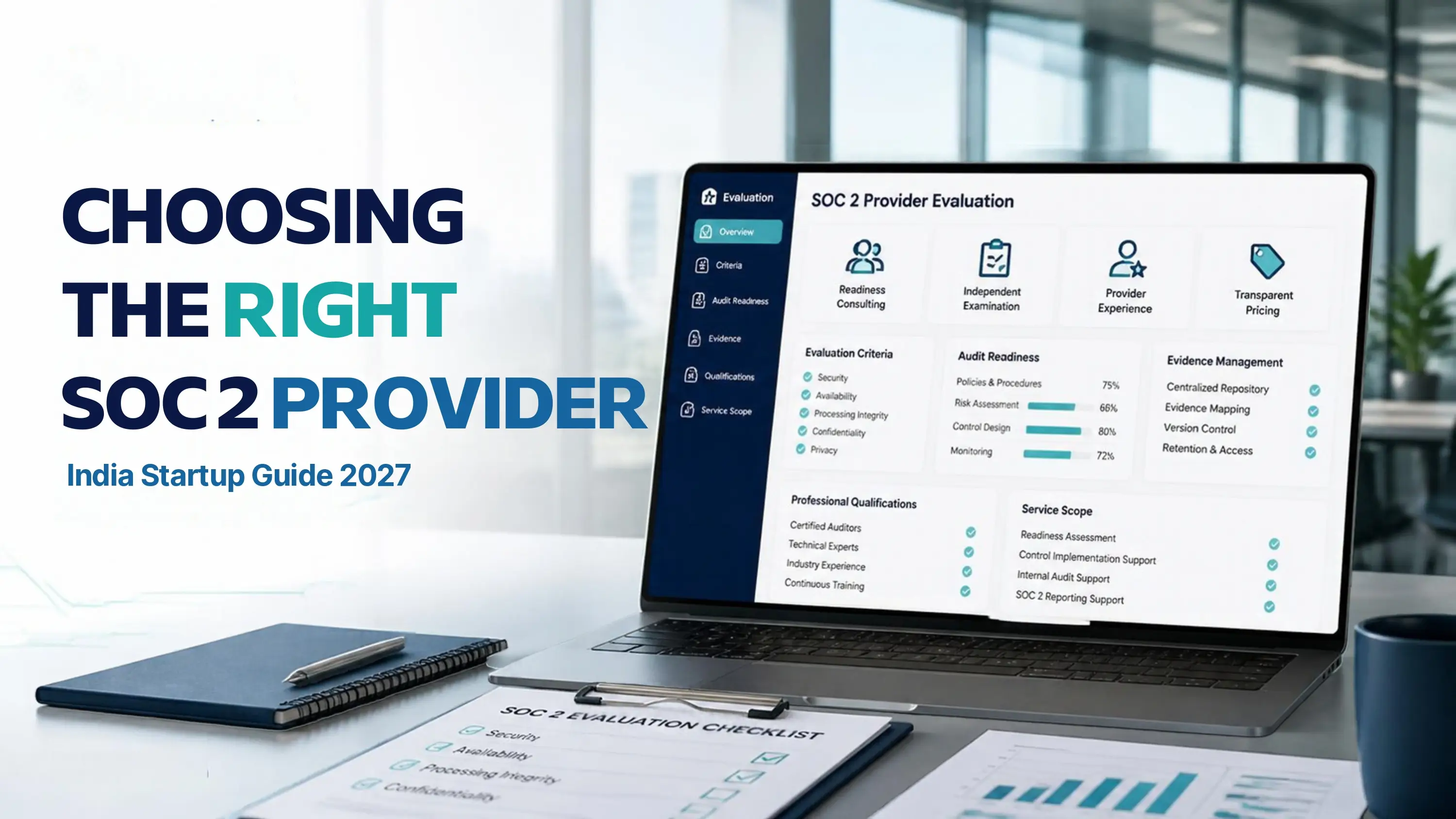
Learn how to choose the best SOC 2 provider in India in 2027. Compare readiness consultants, independent examiners, pricing, scope, and key selection criteria.
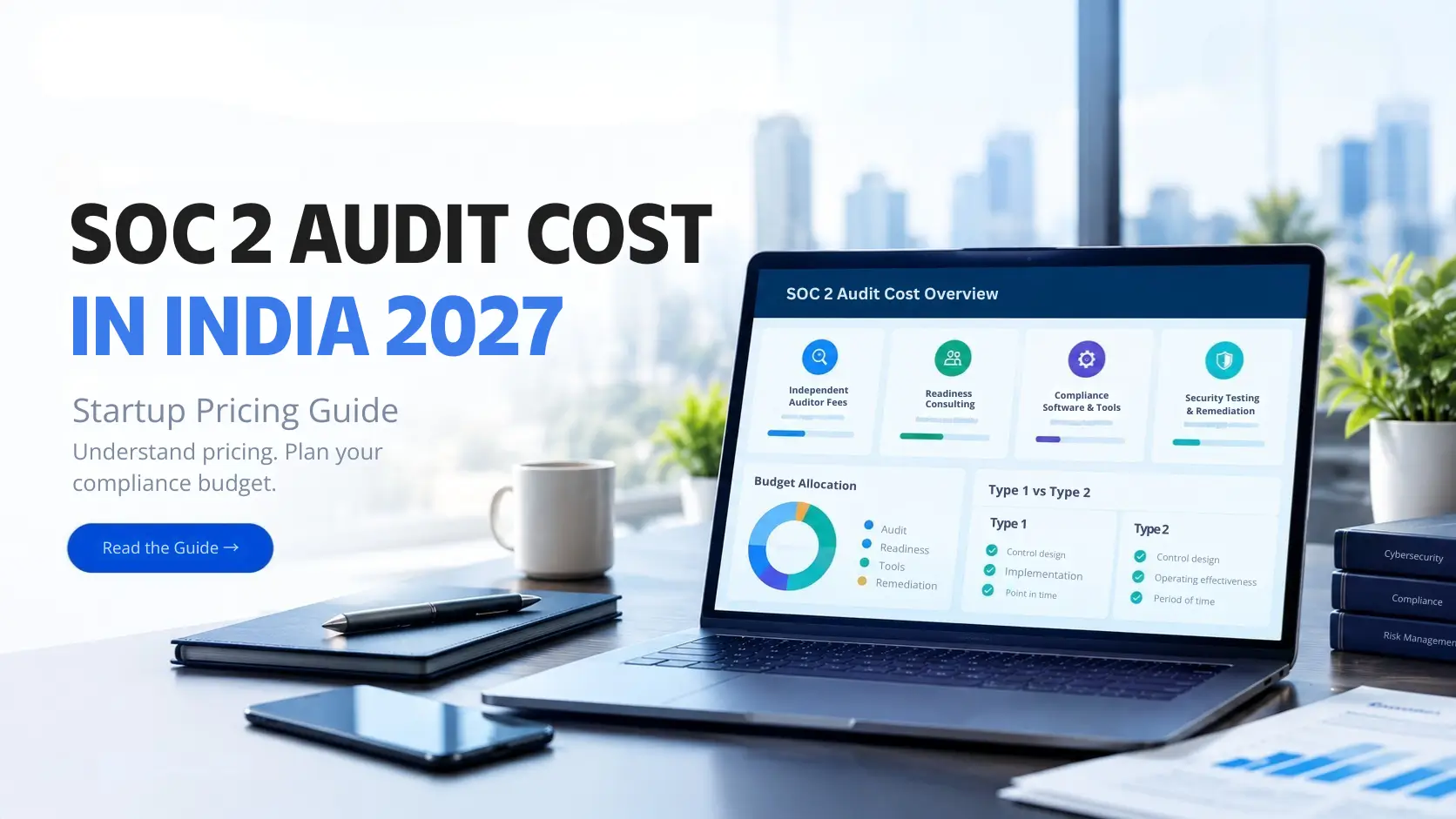
Explore SOC 2 audit costs in India for 2027, including Type 1 vs Type 2, readiness expenses, pricing factors, and ways startups can manage their budget.