26 November 2026
|5:45 pm
|Aanetic Advisory Editorial
Explore the Best DPDP Compliance Software in India for consent management, PII discovery, data mapping, privacy assessments, and vendor risk management.
As businesses expand their digital operations, personal data moves across websites, applications, cloud platforms, customer databases and third-party services. Managing this information responsibly requires more than a privacy policy. Organizations need clear records, defined processes and visibility into how personal data is collected, used, stored and shared.
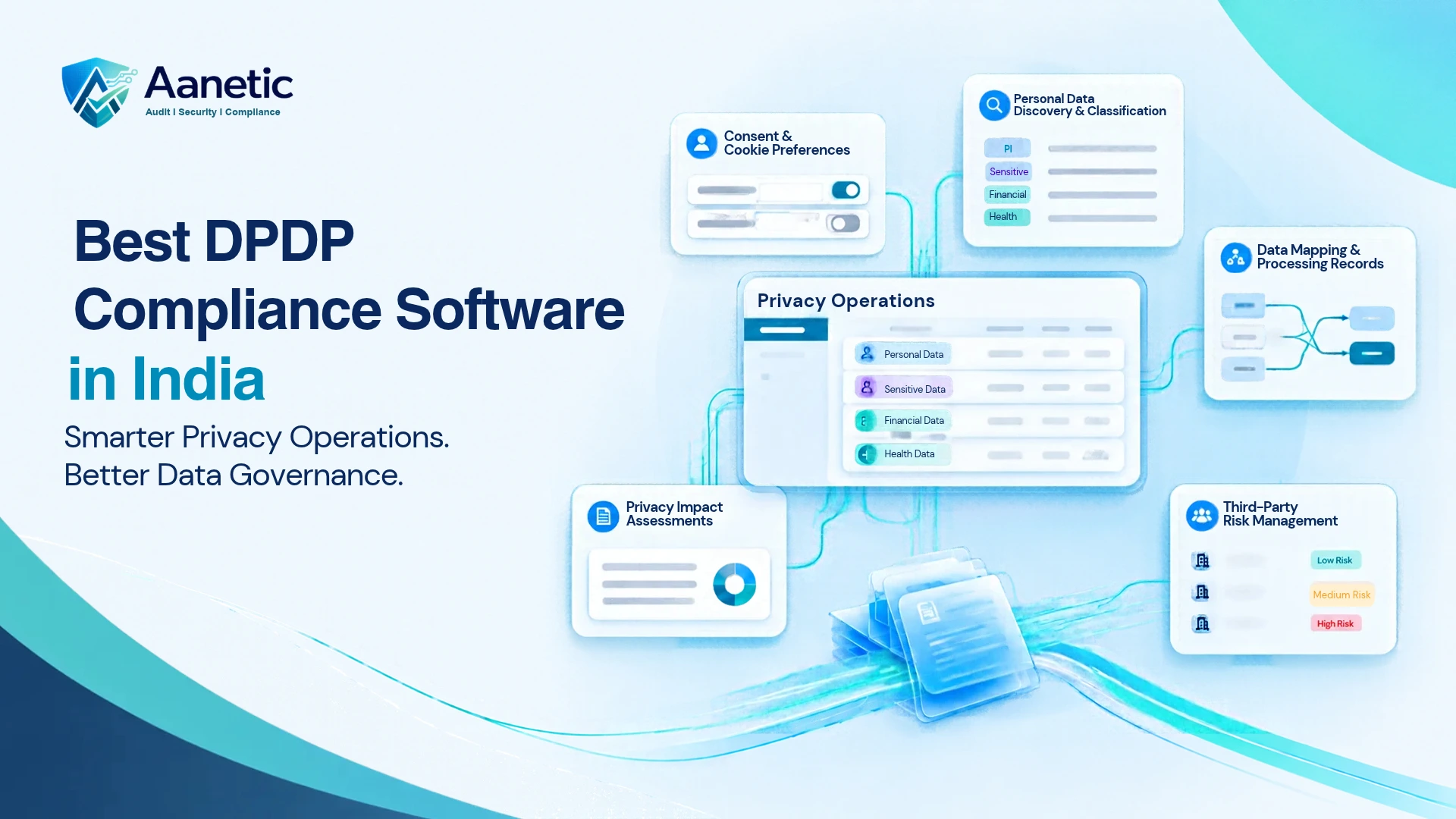
The Best DPDP Compliance Software in India can help businesses organize these activities through consent management, personal data discovery, privacy assessments and vendor risk workflows. Aanetic Technology offers a portfolio of privacy-focused tools, including Consent Manager, Cookie Consent, PII Scanner, Privacy Suite, DPIA Software, RoPA Software and TPRM Software.
The right combination depends on an organization’s data processing activities, existing systems and applicable responsibilities under India's Digital Personal Data Protection Act, 2023.
DPDP compliance software refers to technology that supports an organization's data privacy management activities. It helps teams organize information, document processes, and coordinate workflows related to personal data.
Depending on the product, these tools can help businesses:
Discover personal data across supported systems.
Maintain information about data processing activities.
Record and manage consent preferences.
Organize applicable Data Principal rights requests.
Document privacy assessments and risks.
Review third-party data processing relationships.
Maintain records and evidence for internal governance.
These capabilities make privacy operations more structured and easier to monitor. However, software alone does not establish legal compliance. The organization remains responsible for understanding its obligations, implementing appropriate safeguards and ensuring that its actual practices meet applicable requirements.
Personal data is rarely stored in one place. A SaaS company may process customer details through its application, cloud infrastructure, analytics tools and support platform. An e-commerce business may share customer information with payment providers, delivery partners and marketing platforms.
Without an organized approach, teams can face several challenges:
Limited data visibility: Employees may not know which systems store personal information or which teams can access it.
Manual consent tracking: Maintaining consent records and handling preference changes through disconnected spreadsheets can become difficult.
Incomplete processing records: Businesses may struggle to document processing purposes, data categories, systems and sharing relationships.
Third-party exposure: Vendors and processors may handle personal data without consistent assessment or oversight.
Unstructured privacy workflows: Requests, assessments, documentation and incident-related activities may be managed across separate departments.
DPDP compliance tools can help address these operational challenges. Their value is particularly relevant to fintech companies, healthcare providers, SaaS businesses, e-commerce platforms and IT service organizations that manage personal data across multiple systems.
When evaluating the Best DPDP Compliance Software in India, businesses should focus on capabilities that align with their specific privacy requirements.
Consent management software helps organizations capture, record, review and manage consent preferences. Relevant workflows may include recording consent choices and processing withdrawal requests. Businesses should assess how the product handles consent records, user preferences and supporting documentation.
PII discovery software helps identify personal information across supported databases, applications and storage environments. Better visibility can help privacy and security teams understand where information resides and identify areas that need further review.
Data mapping helps document the movement of personal information across systems and business processes. It can cover data categories, processing purposes, recipients, storage locations, and relevant third-party relationships.
DPIA Software supports structured privacy assessment workflows, helping teams document potential risks, review mitigation measures, and track follow-up activities where applicable.
RoPA Software helps organize records of processing activities and related data flows. Although these records can be valuable for privacy governance, businesses should not assume that the DPDP Act expressly mandates a GDPR Article 30-style RoPA document for every organization.
Third-Party Risk Management Software helps businesses organize vendor assessments, document risks and monitor relationships with service providers that may process personal data.
Some privacy platforms also support workflows for receiving, verifying, assigning and tracking applicable Data Principal requests. Reporting and evidence features can help teams maintain activity histories and documentation.
Feature availability, integrations, automation and deployment options vary between products. Businesses should confirm these details before selecting a platform.
Aanetic provides privacy and compliance tools designed for different operational requirements. Rather than treating every module as interchangeable, businesses can evaluate individual solutions or a broader platform according to their needs.
Consent Manager supports consent-related workflows, preference management and consent records. Organizations evaluating this solution should distinguish between a software platform that manages consent and the statutory Consent Manager role under the DPDP Rules. The statutory role requires registration with the Data Protection Board of India; a product should not be assumed to have that status without verification.
Cookie Consent supports website-related cookie discovery and visitor preference workflows. It can help website teams communicate cookie choices and organize visitor preference management.
PII Scanner focuses on discovering and classifying personal information across supported environments. This can help organizations build a clearer picture of where personal data is stored and which systems may need closer privacy review.
Aanetic's Privacy Suite is a broader privacy operations platform. Its published capabilities include PII discovery, DPIA workflows, RoPA management, Data Principal rights request handling and breach management. It is positioned for organizations that want multiple privacy activities coordinated on a single platform.
DPIA Software helps teams structure privacy impact assessments, document identified risks and track mitigation activities. It can support a more consistent assessment process when a project or processing activity requires privacy risk review.
RoPA Software helps organize processing records and visualize relevant data flows. It can improve internal visibility into processing purposes, information categories and relationships between systems.
TPRM Software supports third-party risk management through vendor assessments, risk tracking and processor oversight documentation. It can help organizations bring more structure to privacy-related vendor reviews.
Explore Aanetic's compliance tools portfolio to review the available solutions and identify modules relevant to your business.
Before purchasing DPDP software in India, evaluate the following points:
DPDP workflow coverage: Check whether the product supports the privacy activities your organization needs.
Data discovery: Understand which systems and data sources the tool can actually scan.
Consent workflows: Review how consent preferences, records and withdrawals are handled.
System integration: Confirm compatibility with your existing applications and infrastructure.
Vendor oversight: Check whether vendor assessments and processor-related records are supported.
Assessment documentation: Evaluate privacy assessment, risk tracking and remediation features.
Access controls: Review role-based permissions and available security safeguards.
Reporting: Check whether records and evidence can be reviewed or exported.
Scalability: Consider future data volumes, teams and operational requirements.
Pricing and support: Understand subscription terms, implementation assistance and ongoing product support.
Request a product demonstration using realistic business scenarios. Ask the provider to show the actual workflows, supported integrations and limitations rather than relying only on feature descriptions.
Different organizations may need different combinations of privacy tools.
Startups and SaaS companies can use data discovery, consent records and processing documentation to organize privacy operations as their customer base grows.
Fintech companies and NBFCs may benefit from structured privacy workflows, vendor assessments and improved data visibility.
E-commerce businesses can review customer data flows, website preferences and consent-related processes.
Healthcare organizations can use discovery and governance tools to improve oversight of personal information.
IT service providers can organize processor relationships and third-party risk documentation.
Large enterprises may use integrated platforms to coordinate privacy activities across departments and systems.
The required software depends on the organization's processing activities, size, infrastructure and applicable legal obligations.
The right tools can make privacy management more organized and consistent. Practical benefits include:
Better visibility into personal data across supported systems.
More structured consent and preference records.
Reduced dependence on scattered manual documentation.
Improved coordination between privacy, IT, legal and security teams.
Better organization of vendor assessments.
More consistent privacy risk assessment workflows.
Easier tracking of assigned actions and remediation activities.
These benefits depend on correct configuration, reliable information and active participation from the organization's teams. Automation can support the process, but it cannot replace management decisions or legal accountability.
Aanetic brings together a range of privacy-focused tools covering consent management, cookie preferences, PII discovery, privacy operations, DPIA workflows, processing records and third-party risk management.
This portfolio allows businesses to consider solutions according to their specific requirements. An organization seeking visibility into personal data may begin by evaluating PII Scanner, while a business coordinating multiple privacy workflows may review the Privacy Suite. Teams focused on vendor oversight can explore TPRM Software, and those improving assessment documentation can consider DPIA and RoPA solutions.
The objective is to connect privacy processes with practical technology rather than relying entirely on disconnected records and manual coordination. Businesses should discuss their systems, requirements and expected deliverables with Aanetic before selecting a solution.
Effective privacy management requires visibility into personal data, organized consent processes, clear documentation and appropriate oversight of third parties. The right combination of technology can help businesses coordinate these activities and strengthen their privacy governance.
Aanetic Technology offers Consent Manager, Cookie Consent, PII Scanner, Privacy Suite, DPIA Software, RoPA Software and TPRM Software for different privacy management needs.
Looking for DPDP compliance software for your business? Connect with Aanetic Technology to explore relevant tools for your organization.
The right software depends on an organization's privacy requirements. Businesses can evaluate solutions that cover consent management, PII discovery, data mapping, privacy assessments, processing records, and vendor risk management. Aanetic offers tools across these categories.
Need enterprise guidance on PCI DSS, SOC 2, or RBI compliance frameworks?
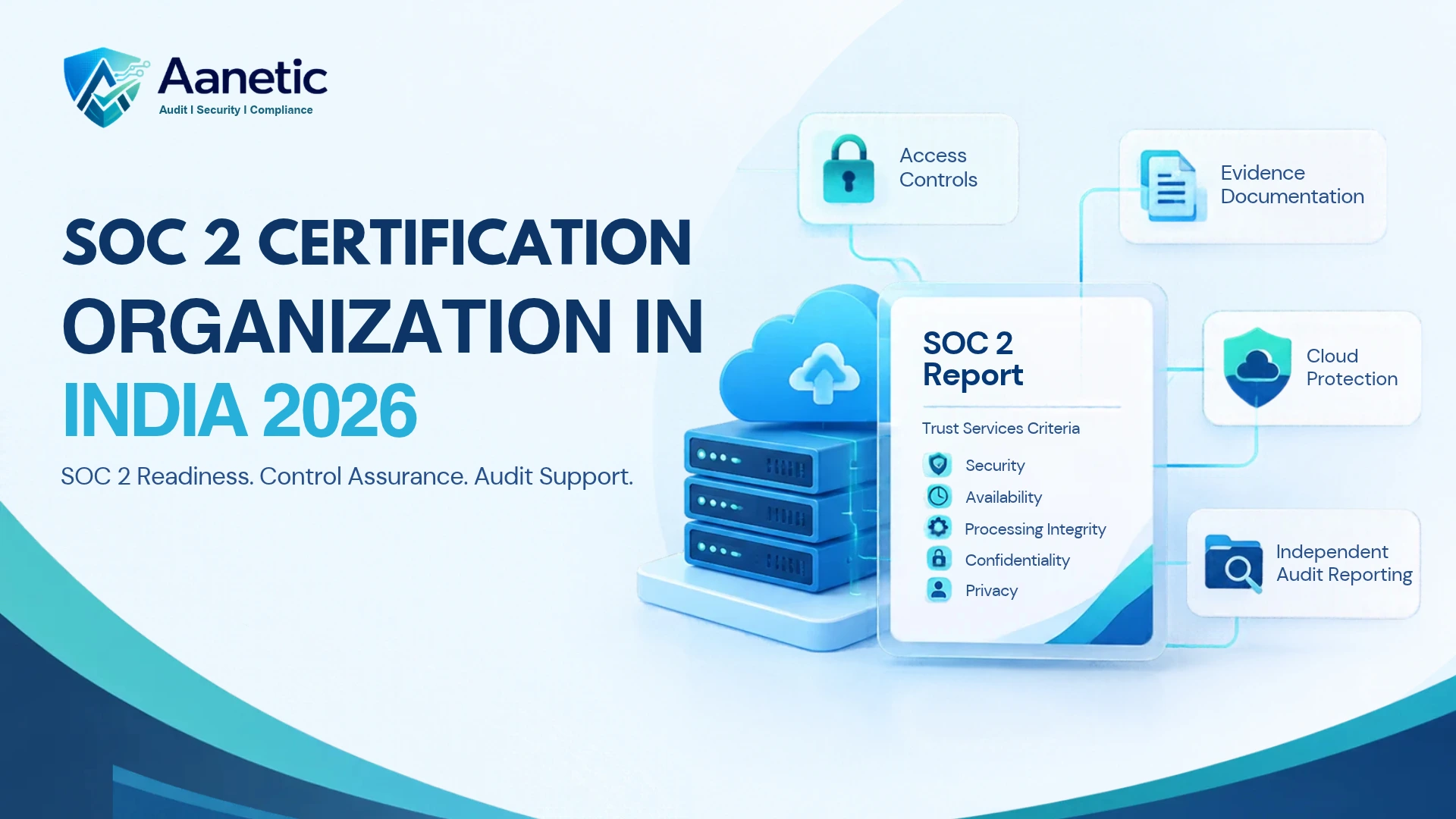
Find a SOC 2 Certification Organization in India for 2026. Explore SOC 2 readiness, audit support, Type 1 and Type 2 reports, and compliance services.
Find the Best PCI DSS Provider in Noida & Delhi NCR for payment security assessments, PCI DSS v4.0.1 compliance, gap analysis, and audit support.
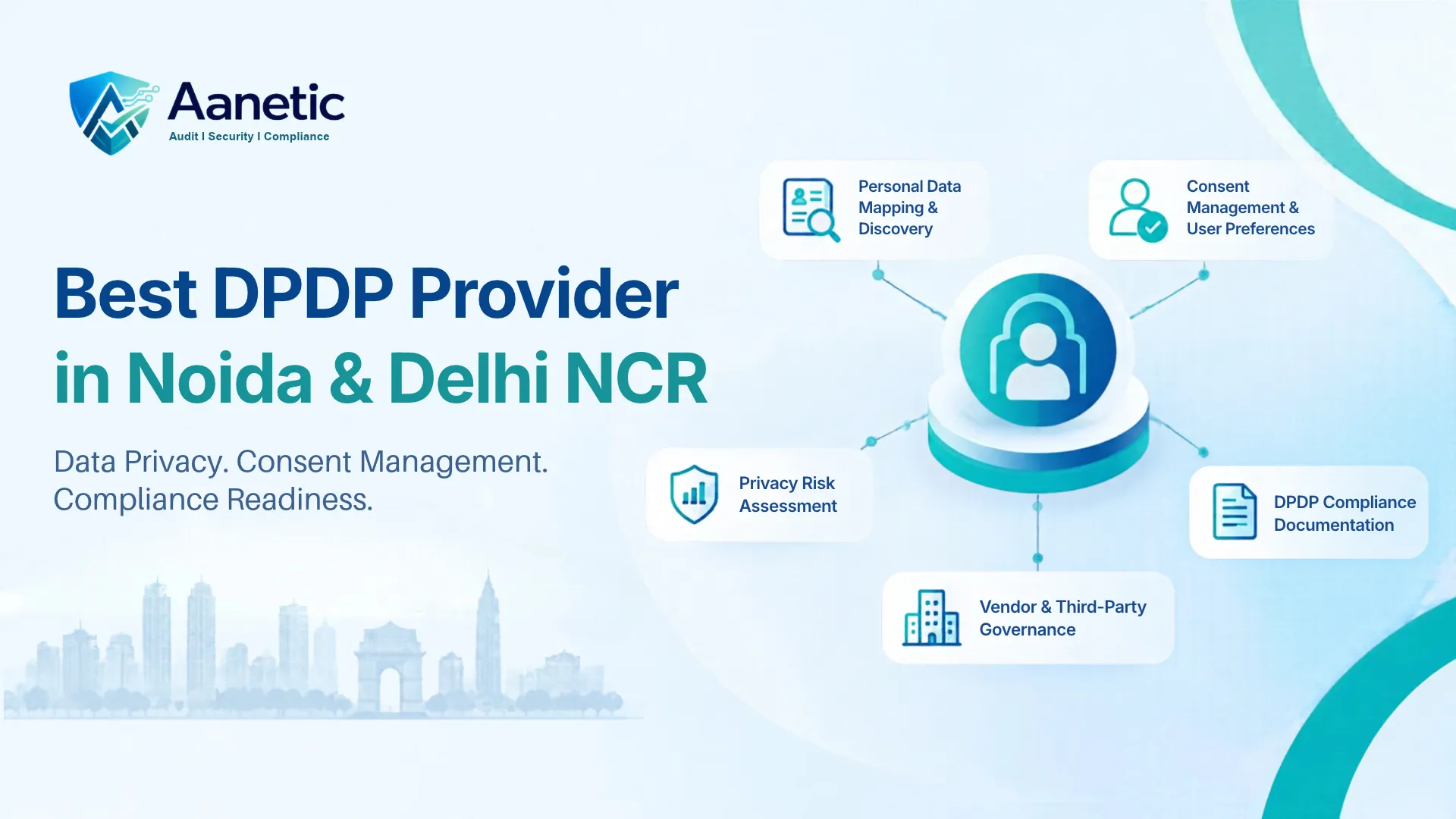
Find the Best DPDP Provider in Noida & Delhi NCR for data privacy assessments, consent management, personal data mapping and compliance support.